
The transmission—often called the gearbox—is the unsung hero of your vehicle. It is the complex, finely tuned system responsible for efficiently transferring power from your engine to your wheels, determining how smoothly you accelerate, cruise, and slow down. Without it, your car is going nowhere. Yet, far too many car owners, particularly those navigating the busy streets of Philadelphia, often overlook a single, critical piece of maintenance: the regular transmission oil change service.
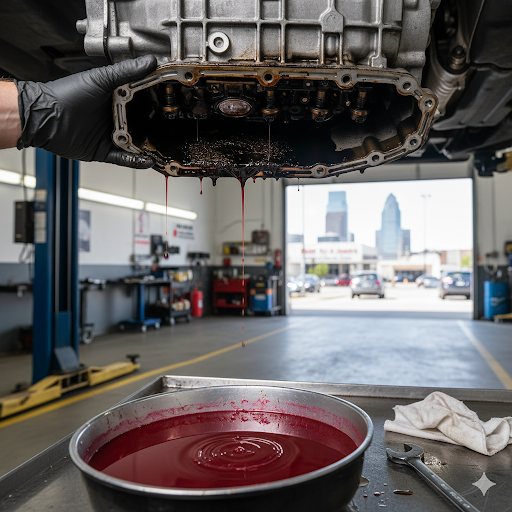
Neglecting this vital fluid service is one of the most common mistakes drivers make, leading directly to expensive, often catastrophic repairs and a dramatically reduced vehicle lifespan. While an oil change for the engine is routine for most drivers, the transmission often only gets attention when it’s already making strange noises. Regular maintenance is not just a good idea; it is a cost-effective necessity and a powerful form of preventative care. This is a crucial area where smart drivers can prevent serious issues from developing. In this blog, we’ll dive deep into the absolute importance of transmission fluid maintenance, highlight the undeniable signs that your fluid is overdue, and explain exactly how trusted auto repair Philly experts can help you save thousands in the long run.
1. Understanding the Lifeblood: The Crucial Role of Transmission Fluid
Transmission fluid is more than just a lubricant; it is a sophisticated, multi-purpose fluid essential to the proper function and longevity of your gearbox. In simple terms, it serves three critical roles: it lubricates the hundreds of moving parts, gears, and clutches within the casing, minimizing friction and wear; it acts as a hydraulic fluid to engage the gears and clutches, ensuring smooth and precise shifting; and it cools the transmission, pulling heat away from high-friction areas that can reach destructive temperatures.
Over time and under the stress of daily driving, this fluid begins to break down. The intense heat of operation causes it to lose its viscosity and lubricating properties. Furthermore, as the internal clutches and gears wear, tiny metal filings and debris contaminate the fluid. This “dirty” or degraded fluid turns abrasive, accelerating wear on all internal components. This is why a simple fluid change is so important—it removes the harmful contaminants and replaces the degraded fluid with a fresh batch that has the necessary properties to protect your gearbox.
The general rule of thumb for scheduling transmission oil change service is typically every 30,000 to 60,000 miles, though this can vary significantly based on your specific vehicle type (manual or automatic), driving conditions (heavy towing or stop-and-go city traffic like in Philadelphia), and manufacturer recommendations. Always check your owner’s manual, or consult with Philadelphia auto repair shops like 8 Cylinders Auto Repair Philadelphia for the precise interval for your car.
Tip: The single most crucial factor in a transmission service is using the correct transmission fluid type as specified by your manufacturer. Incorrect fluid—whether too much, too little, or the wrong chemical composition—can instantly lead to shifting problems and even catastrophic damage to the clutch bands and seals.
Warning Signs: It's Time for a Transmission Fluid Change
Your car’s transmission will rarely fail without giving you some kind of warning. Recognizing these subtle (and not-so-subtle) cues is your best defense against an expensive repair. If you notice any of the following, it’s a clear sign that your fluid is contaminated or depleted, and you urgently need an oil change and transmission fluid service.
- Slipping Gears or Delayed Shifts: If you press the accelerator and the engine revs high before the car finally shifts into the next gear, or if your car seems to “slip” out of gear unexpectedly, the hydraulic pressure from your fluid is likely insufficient due to degradation or low level.
- Strange Noises (Grinding or Whining): Grinding or whining sounds, especially when shifting or when the car is in neutral, usually point to worn parts that are not being properly lubricated. If the fluid is too thin or dirty, the gears are grinding against each other.
- Fluid Leaks Under the Car: If you spot a reddish or brownish puddle near the middle or front of your vehicle, you may have a transmission fluid leak. Ignoring this will lead to a fluid shortage and eventual transmission burnout.
- Burning Smell from the Transmission: This is a serious indicator. The smell is the result of the fluid overheating due to low levels or the friction caused by the degraded lubricant. If you smell something burning, stop driving immediately.
If you observe any of these symptoms, your next step should be to book an oil change and transmission fluid service at a trusted Philadelphia auto repair shop. Do not ignore subtle signs, as the slight hesitation today could quickly become a major transmission failure tomorrow. This is where an expert in automotive repair Philadelphia can provide a life-saving diagnosis.
3. The Math Behind Maintenance: Cost Savings of Regular Transmission Care
One of the most compelling reasons to prioritize routine maintenance is the sheer cost difference between prevention and repair. The decision to invest in a simple fluid service today is a calculated avoidance of a massive bill tomorrow.
Consider the economics: A basic transmission oil change service typically costs a few hundred dollars or less. This minor investment renews the fluid, removes harmful contaminants, and protects the entire system.
Now, consider the alternative: If you neglect the fluid and it leads to a catastrophic failure, you will be facing a major overhaul or a complete transmission replacement. A full transmission rebuild or replacement can easily cost $2,500, $4,000, or even more, depending on your vehicle’s make and model, turning a manageable maintenance cost into a significant financial burden. The difference between a fluid change and a rebuild is often a factor of ten or more in terms of price. This is why we emphasize that preventive maintenance—including car suspension repair and ensuring your car engine repair needs are met—is not an expense; it is a critical investment in your long-term vehicle health and financial well-being. By choosing to work with professional auto repair philly experts, you ensure that every service is done correctly, maximizing the life of your vehicle.
4. Beyond the Change: How to Maintain Total Transmission Health
While the fluid change is the cornerstone of transmission maintenance, there are other crucial habits and services that contribute to its longevity. Your diligence in these areas can significantly extend the life of your transmission.
Firstly, make it a habit to check your fluid levels and color regularly. Transmission fluid, when healthy, is typically a bright, clear red or pink. If it looks dark brown, black, or smells burnt, it is contaminated and needs immediate attention, even if you are not yet at the manufacturer’s mileage recommendation.
Secondly, avoid aggressive driving. Sudden acceleration, aggressive downshifting, and heavy towing (especially without an auxiliary cooler) place immense stress and heat on the transmission. Driving smoothly and avoiding sudden stops or starts will reduce internal wear.
Finally, always ensure professional automotive repair in Philadelphia handles all aspects of your transmission work. The complexity of modern transmissions—especially automatics—means that a seemingly simple oil change and transmission fluid service can be risky if performed improperly. A certified mechanic will use the correct parts and proper procedures. For instance, sometimes a simple drain and refill is sufficient, while other times a full fluid flush is required. A DIY fluid change, or one done by an inexperienced shop, can result in improper fluid type, incorrect levels, or damage to the pan gasket, leading to leaks. Look for a team that also offers comprehensive services, from Paintless dent repair to complex Engine repair services, ensuring all systems are covered under one roof.
Tip: While you’re under the car checking fluids, consider the health of your car suspension system repair needs. A poorly maintained suspension can put extra strain on the drivetrain, further stressing the transmission. Comprehensive care is always best.
5. Choosing Your Partner: Selecting the Right Auto Repair Shop
When it comes to the delicate, expensive components of your transmission, choosing the right auto repair shop in Philadelphia is paramount. You need a partner, not just a repairman. The shop you choose should offer:
- Certified Mechanics and Experience: Look for technicians who are ASE-certified and who have verifiable experience with your vehicle’s make and transmission type.
- Comprehensive Services: A great shop handles everything. While they should excel at routine services like transmission oil change service, they should also be capable of complex work, like car engine repair or even services like Auto paint and Car suspension repair. This shows a deep, broad expertise in vehicle maintenance.
- Transparent Communication and Reviews: Check independent reviews to gauge customer satisfaction. A shop that clearly explains why a service is needed is one you can trust.
8 Cylinders Auto Repair Philadelphia offers comprehensive transmission care, specializing in all aspects of vehicle health. We understand the importance of preventative maintenance, and our certified experts ensure that every oil change and transmission fluid service is performed using the manufacturer-specified product and procedure. Whether you’re simply curious about how many cylinders does my car have or need complex engine work, we are the reliable choice on 3311 N 13th St, Philadelphia, PA 19140.
Conclusion: Your Investment in Longevity
The smooth, reliable operation of your vehicle depends heavily on the health of its transmission. Regular transmission oil change service is arguably the most important preventative measure you can take to avoid catastrophic failure. It is a small, routine expense that pays dividends by preventing repairs that cost thousands of dollars, saving you time, money, and stress.Don’t wait for the grinding noises or the dreaded burning smell. Avoid costly repairs by partnering with a trusted Philadelphia auto repair shop. Schedule your comprehensive oil change and transmission fluid service with 8 Cylinders Auto Repair Philadelphia today and ensure your vehicle runs smoothly, powerfully, and reliably for all your journeys to come. Visit us at 3311 N 13th St, Philadelphia, PA 19140 or call us at +1 (445) 287-2000.