
Philadelphia Auto Repair Price Comparison: 8 Cylinders vs Competitors
Auto repair pricing in Philadelphia can feel opaque: drivers want fair rates, clear estimates, and repairs that don’t lead to repeat visits. This article compares typical Philadelphia auto repair costs, explains how price is calculated, and shows why transparent diagnostics, parts choices, and technician skill matter when evaluating value. You’ll learn which cost drivers most affect a final bill, see side-by-side comparisons for common services, and get practical steps to secure an apples-to-apples estimate. The piece also contrasts mobile mechanics, national chains, and local full-service shops to help Philadelphia drivers decide where to get work done. Finally, we summarize how a local shop—8 Cylinders Auto Repair—approaches pricing, diagnostics, warranties, and customer communication so you can weigh price against long-term value and confidence.
What Factors Influence Auto Repair Pricing in Philadelphia?
Auto repair pricing in Philadelphia is driven primarily by local labor rates, parts quality, diagnostic complexity, shop overhead, and the specific repair’s technical difficulty. Labor rate reflects technician wages, benefits, and the shop’s operational costs; parts quality determines material expense and warranty terms; diagnostics introduce time and tooling costs; overhead includes rent, equipment, and compliance; and repair complexity multiplies labor hours and specialized tools. Understanding these factors helps drivers evaluate estimates beyond sticker numbers because a higher upfront cost may reflect better parts or more accurate diagnostics. The next section breaks down the largest single driver—labor rate—and how certification and billing models change the final cost.
The cost drivers below summarize how each category contributes to price in practical terms.
- Labor rate affects the per-hour charge a shop must recover.
- Parts quality determines material cost and potential longevity of the repair.
- Diagnostic complexity can add fixed fees plus extra labor if specialized testing is needed.
- Shop overhead raises base prices in denser urban markets like Philadelphia.
These drivers interact: a complex diagnosis by an ASE-certified technician using high-quality parts in a fully equipped shop will be more expensive initially but often reduces repeat repairs and long-term expense.
This table shows why a single line-item price rarely tells the whole story: the combination of these factors forms the true price customers pay.
How Do Labor Rates Affect Philadelphia Mechanic Costs?
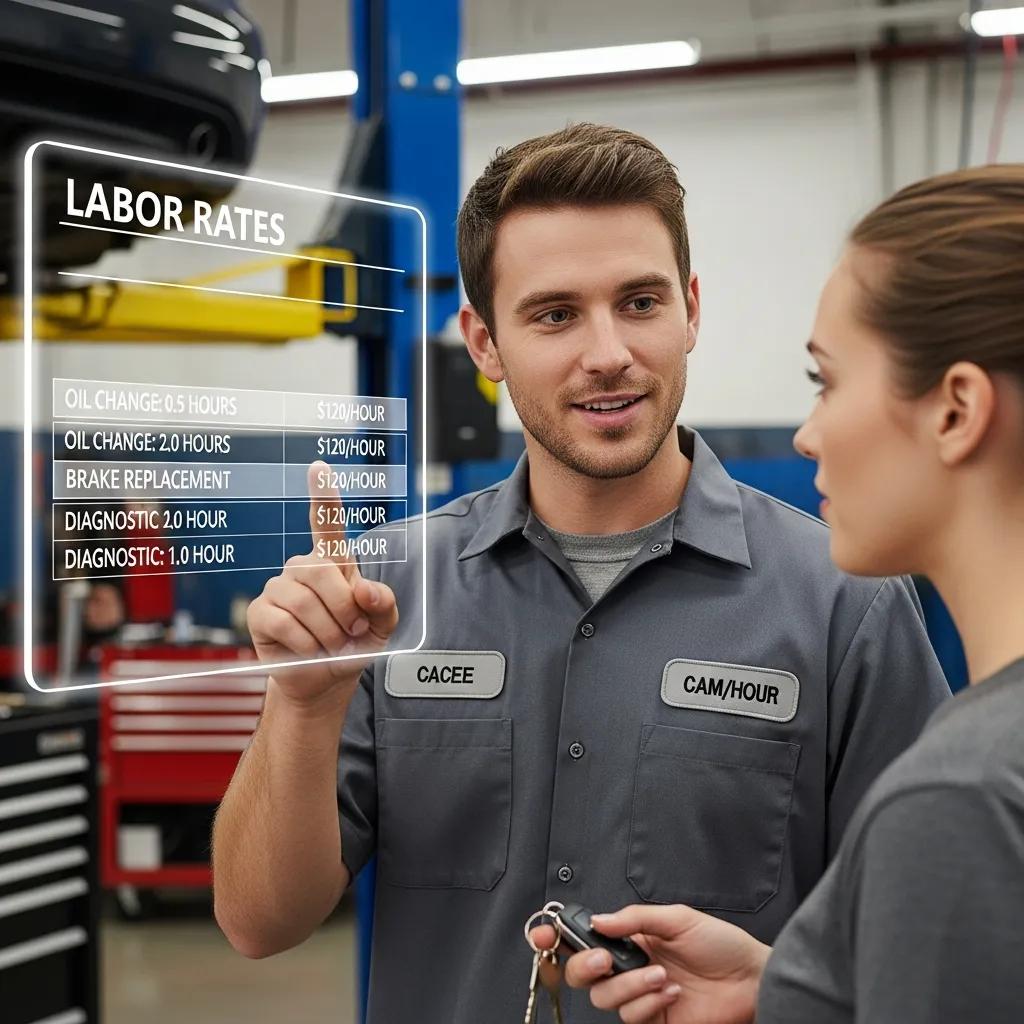
Labor rates are the hourly or flat-rate fees that shops charge to cover technician wages, benefits, tools, and operational overhead, and they are a primary determinant of a repair estimate. Shops in urban markets like Philadelphia often have higher overhead and thus set labor rates to recover those costs while maintaining profitability; technicians with ASE certification command higher pay and can diagnose complex faults faster, which changes both rate and productivity. Flat-rate billing estimates based on standardized time guides can produce different customer costs than true hourly billing depending on the actual time taken, so understanding which model a shop uses helps compare quotes. A clear example is that a diagnostic that takes two hours billed at $100/hour costs the customer $200, whereas a flat-rate diagnostic fee might be $150 regardless of time, so ask how the shop bills and what that includes.
Labor rate discussions lead directly to parts choices because parts selection often represents the next largest cost component on an estimate.
What Is the Impact of Parts Quality on Repair Prices?
Parts quality—OEM, aftermarket, or remanufactured—directly increases or decreases the parts portion of the estimate and alters long-term value, warranty eligibility, and potential for repeat repairs. OEM parts typically cost more but align with factory specifications, improving fit and reliability; quality aftermarket parts can be cost-effective when sourced from reputable suppliers, while remanufactured components lower initial expense but may offer shorter life expectancy. The trade-off affects both immediate out-of-pocket cost and lifecycle expense: cheaper parts may lead to earlier failures and additional labor charges later, while higher-quality parts combined with proper installation reduce total ownership cost. When comparing estimates, confirm which parts type is specified and whether the shop offers options with warranty coverage.
Linking parts quality to the diagnostic process clarifies why transparent estimates need a parts vs. labor breakdown, which the next major section addresses through a local cost comparison.
What Are the Average Auto Repair Costs in Philadelphia Compared to 8 Cylinders?
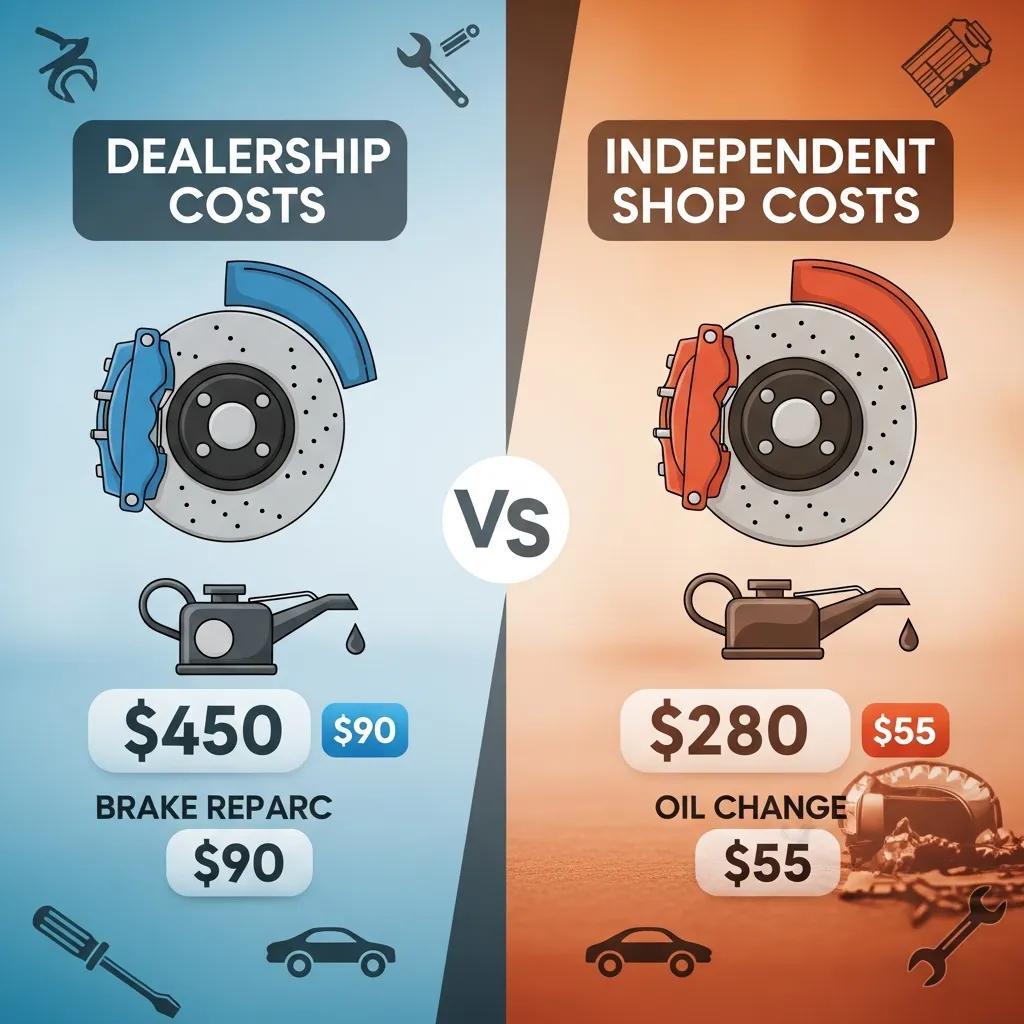
This section presents common Philadelphia cost ranges for routine services and describes how a local full-service shop frames value through transparent breakdowns, parts options, and warranty coverage. Service price ranges in the city vary by vehicle type and parts choice, but typical ranges provide context for comparing estimates. After the table, we explain what specific line items can move a price up or down and how 8 Cylinders Auto Repair positions its pricing to balance reliability, speed, and warranty-backed work.
Below is a practical comparison that lists service, a generalized Philadelphia average range, and how 8 Cylinders approaches pricing and value.
This table demonstrates that while Philadelphia ranges are broad, the value proposition is shaped by diagnostic quality, parts selection, and warranty. For example, brake jobs vary when rotors are identified as needing replacement—rotors materially increase cost but improve safety and longevity. Similarly, oil change price spans depend on synthetic versus conventional oil and filter quality. 8 Cylinders emphasizes diagnostics before repair decisions, clear parts options, and a warranty on parts and labor to reduce surprise costs and provide confidence.
When reading an estimate, watch for the following elements that commonly change the final number.
- Parts specification: Is the quote for OEM, aftermarket, or remanufactured parts?
- Labor billing method: Is time billed hourly or via flat-rate labor guides?
- Diagnostic inclusions: Does the fee include system scans and test drives or only a code read?
- Warranty terms: Are parts and labor covered, and for how long?
Understanding these line items lets you compare quotes on an apples-to-apples basis and reduces the chance of surprise charges during repair.
How Do Common Service Prices Compare: Brake Repair, Oil Change, and Engine Diagnostics?
Brake repair, oil changes, and engine diagnostics are frequent services with clear variables that explain price spreads across Philadelphia shops. Brake work depends on whether pads alone are replaced or if rotors and hardware are included; complexity increases on vehicles with advanced safety systems. Oil change pricing varies with oil type—synthetic oils command higher price—and additional services like multi-point inspections change the offer. Diagnostics have a base fee for scanning and code retrieval, but intermittent electrical or sensor issues add labor for troubleshooting and testing. When comparing estimates, ask for line-item detail: the parts brand, the exact services included, and whether the diagnostic fee applies to the final repair or is waived if you proceed.
These service comparisons lead naturally to how a trustworthy shop ensures pricing transparency, which we detail next.
How Does 8 Cylinders Ensure Fair and Transparent Pricing?
8 Cylinders Auto Repair centers its pricing on thorough diagnostics, written estimates, and communication about parts options to minimize surprises and help customers choose the right balance of cost and reliability. ASE-Certified Technicians perform engine diagnostics and inspections in modern, fully equipped service bays, generating a written estimate that separates labor, parts, and diagnostic fees. The shop emphasizes honest, upfront pricing and offers warranties on parts and labor, which helps justify choices favoring quality and long-term value. Explaining this process in the estimate—what was tested, why a part is recommended, and what alternatives exist—builds trust and reduces the chance of unexpected charges after work begins.
Transparent estimation processes are the foundation for choosing quality repairs over the cheapest immediate option, and the next H2 explores the long-term benefits of that choice.
Why Is Quality Auto Repair Worth the Price in Philadelphia?
Quality auto repair is an investment in safety, vehicle longevity, and lower total cost of ownership because correct diagnostics and proper parts prevent repeat visits and cascading failures. Quality work addresses the root cause rather than symptoms, reducing the chance that a repaired system fails again and creates additional expense; further, proper installation and testing protect against safety risks and maintain warranty eligibility for parts and related systems. Although cheaper options may save money initially, cumulative costs from repeated fixes, roadside failures, or accelerated wear often exceed the premium paid for a thorough repair. The next subsection explains the concrete risks of choosing the lowest bid and how those risks translate into further expense.
Choosing a higher-quality repair approach logically connects to how a local ASE-certified shop like 8 Cylinders reduces downstream costs through warranties and skilled diagnostics, which we examine afterward.
What Are the Risks of Choosing Cheap Auto Repairs?
Opting for the cheapest available repair often brings risks such as substandard parts, incomplete diagnostics, improper installation, and short or nonexistent warranty coverage, each of which can lead to repeat breakdowns and additional labor charges. Poor parts selection can cause premature failure; skipping a thorough diagnostic cycle may miss systemic problems that resurface after a patch repair; and inexperienced technicians might not follow OEM procedures, impacting safety systems and vehicle resale value. These issues compound over time as subsequent failures trigger towing, emergency repairs, and accelerated depreciation. Therefore, the upfront savings of a bargain shop must be measured against the potential for recurring bills and safety exposure.
How Does 8 Cylinders’ Quality Service Save You Money Long-Term?
8 Cylinders Auto Repair emphasizes ASE-Certified Technicians, structured diagnostics, and a warranty on parts and labor to reduce return repairs and protect customers from unexpected follow-up costs. By diagnosing root causes carefully and discussing parts options—OEM versus reputable aftermarket—the shop reduces the likelihood of premature failures and unnecessary repeat labor. A formal warranty transfers part of the future repair risk to the shop, lowering the customer’s expected future expense and making slightly higher initial costs economical over the vehicle’s remaining life. This approach demonstrates how investing in quality repair can reduce the total cost of ownership by limiting repeat visits and improving component longevity.
The emphasis on diagnostics and warranty naturally leads into how drivers can obtain fair, comparable estimates when shopping for repairs.
How Can Philadelphia Drivers Get Fair and Accurate Auto Repair Estimates?
Drivers can secure fair and accurate estimates by following a structured process: request a written estimate, compare parts and labor line-items, ask about diagnostic scope and fees, and verify warranty terms. Written estimates prevent verbal misunderstandings and enable apples-to-apples comparisons between shops by listing parts type, labor hours or rates, diagnostic fees, and warranty coverage. When soliciting quotes, insist on the same parts standard (OEM or aftermarket) and ask whether diagnostic fees are credited if you proceed with repairs; this ensures comparisons reflect true out-of-pocket costs. The checklist below gives the practical questions to ask and the documents to request so you can evaluate competing estimates with confidence.
Use the checklist to prepare before contacting multiple shops, and then summarize results to pick the best long-term value.
- Do you provide a written estimate that lists parts and labor separately?
- What parts options are included (OEM, aftermarket, remanufactured)?
- How do you bill labor—hourly or flat-rate—and what is the labor rate?
- Is the diagnostic fee applied to the repair if I approve the work?
- What warranty covers parts and labor, and for how long?
Following this checklist helps drivers make informed choices and reduces surprise billing; the next subsection explains how one local shop applies a clear diagnostic workflow to build trust.
What Questions Should You Ask About Pricing and Warranty?
Asking targeted questions ensures estimates are comparable and that warranty protections are understood before authorizing work. Key questions include requesting a written estimate, clarifying parts type and brand, confirming labor billing method and rate, asking whether diagnostic fees are credited toward repairs, and verifying warranty coverage for both parts and labor. Requesting estimated completion time and whether the shop will notify you before authorizing extra repairs helps avoid unexpected charges. These questions not only protect budget but also reveal a shop’s communication style and transparency—traits that signal reliability.
Clear questions lead naturally to how a trustworthy shop conducts diagnostics and turns that work into a written estimate, which we describe next using 8 Cylinders’ process.
How Does 8 Cylinders’ Diagnostic and Estimation Process Build Customer Trust?
8 Cylinders Auto Repair follows a diagnostic-first workflow that begins with system scans and inspections performed by ASE-Certified Technicians, followed by a written estimate that separates parts, labor, and diagnostic fees and lists available parts options. Technicians document findings, explain why specific repairs are recommended, and present alternatives where appropriate, which gives customers control over cost versus longevity trade-offs. The shop’s warranty on parts and labor and a customer satisfaction guarantee further reduces post-repair risk and reinforces transparent communication. This documented, stepwise approach helps customers compare value and builds trust through consistent explanations and follow-up.
Having an established diagnostic workflow is especially important when comparing service settings—mobile, national chain, and local shops—so the next H2 examines those differences.
How Does 8 Cylinders Auto Repair Compare to Mobile Mechanics and National Chains in Philadelphia?
Comparing service models clarifies trade-offs between upfront cost, convenience, capability, and warranty coverage; mobile mechanics provide convenience and often lower labor overhead for simple jobs, national chains offer standardized pricing and promotions, and full-service local shops like 8 Cylinders provide deeper diagnostics, shop equipment, and warranty-backed repairs. Mobile mechanics are excellent for simple maintenance or roadside service but are limited when repairs require lifts, heavy equipment, or extended diagnostic labs; national chains can handle many services with consistent pricing but sometimes lack local accountability and customization. 8 Cylinders combines ASE-certified technicians, fully equipped service bays, and a warranty on parts and labor—attributes that support complex diagnostics and reliable long-term outcomes. The table below outlines capabilities, limitations, and cost implications across settings to make the decision clearer.
This comparison clarifies why seemingly higher upfront costs at a full-service shop can lower long-term expense and increase reliability compared with cheaper quick-fix options.
What Are the Cost and Service Differences Between Traditional Shops and Mobile Mechanics?
Traditional shops can execute complex repairs, use lifts and specialized tools, and perform thorough diagnostics that mobile mechanics cannot easily provide, which affects both time and cost; mobile services typically excel at battery replacement, simple maintenance, and small repairs at a customer’s location. The lack of heavy equipment in mobile setups reduces overhead and often lowers the price for basic tasks, but when a repair requires bench work, transmission service, or major component replacement, the mobile option becomes impractical. Also, warranty handling differs: shops with facilities can often test and certify repairs in ways mobile services cannot, which influences long-term reliability and potential return costs. Knowing which repairs must be done in a shop helps drivers choose the right service setting for both price and outcome.
Understanding these differences leads to the advantage of certified local technicians over national brands for certain repairs.
Why Choose a Local ASE-Certified Shop Over National Chains?
A local ASE-certified shop provides technician competence, personalized communication, and local accountability that often results in more accurate diagnostics and smoother warranty resolution than a national chain. ASE certification indicates that technicians have passed industry-standard exams and possess up-to-date knowledge for correct repair procedures, reducing the chance of misdiagnosis. Local shops can tailor repairs to a driver’s priorities—cost, longevity, or speed—and typically offer direct lines of communication for follow-up service and warranty claims. These advantages can justify a modest price premium because they reduce long-term risk and simplify post-repair support.
Having compared service models, the final H2 turns to how customers perceive pricing and service from a local shop perspective.
What Do Philadelphia Customers Say About 8 Cylinders’ Pricing and Service?
Public reaction to a shop’s pricing and service typically clusters around transparency, value, communication, and warranty handling, which are the most persuasive trust signals when choosing where to repair a vehicle. For 8 Cylinders Auto Repair, the shop’s positioning—ASE-Certified Technicians, modern service bays, written estimates, and a warranty on parts and labor—maps directly to the themes customers seek: clear explanations, fair pricing for the work performed, and reliable post-repair support. Rather than presenting fabricated testimonials, highlight review themes that emphasize transparency, no-surprise bills, and warranty confidence to illustrate how these practical policies influence customer decisions. If you want to evaluate service personally, contact the shop by phone or visit their address to request a written estimate and warranty details.
Summarizing common review themes and warranty benefits helps prospective customers assess whether the shop’s approach fits their priorities.
Which Customer Testimonials Highlight Transparent Pricing and Value?
When selecting testimonials to surface, prioritize statements that reference written estimates, clear parts options, and a lack of surprise charges because these points directly validate pricing transparency and trustworthiness. Summaries of review themes—such as mentions of detailed estimates, technicians who explain repair choices, and successful warranty work—provide stronger evidence of consistent practices than isolated praise about speed or friendliness alone. Presenting anonymized, theme-based summaries or linking to verified review sources supports credibility while avoiding invented quotes. Emphasizing these specific testimonial elements shows prospective customers what to look for when evaluating any shop’s pricing claims.
Highlighting these themes naturally leads to explaining how warranty terms reduce real financial risk for customers.
How Does 8 Cylinders’ Warranty Provide Confidence to Philadelphia Drivers?
A parts and labor warranty transfers part of the repair risk from the driver to the shop, reducing potential future costs and making a higher-quality repair more economical over time. Warranty coverage should be clearly stated on estimates so customers understand duration and what is covered—parts, labor, or both—and whether certain work is excluded or prorated. Knowing a repair is backed by a warranty also affects decision-making: customers can prioritize long-term reliability and safety over the lowest immediate price, confident that follow-up issues will be addressed without outsized additional expense. For details about warranty durations and terms, contact 8 Cylinders Auto Repair directly by phone or at their Philadelphia location to request written warranty information before authorizing work.
This practical assurance helps drivers convert pricing understanding into confident service choices and completes the article’s guidance on comparing prices and value.