
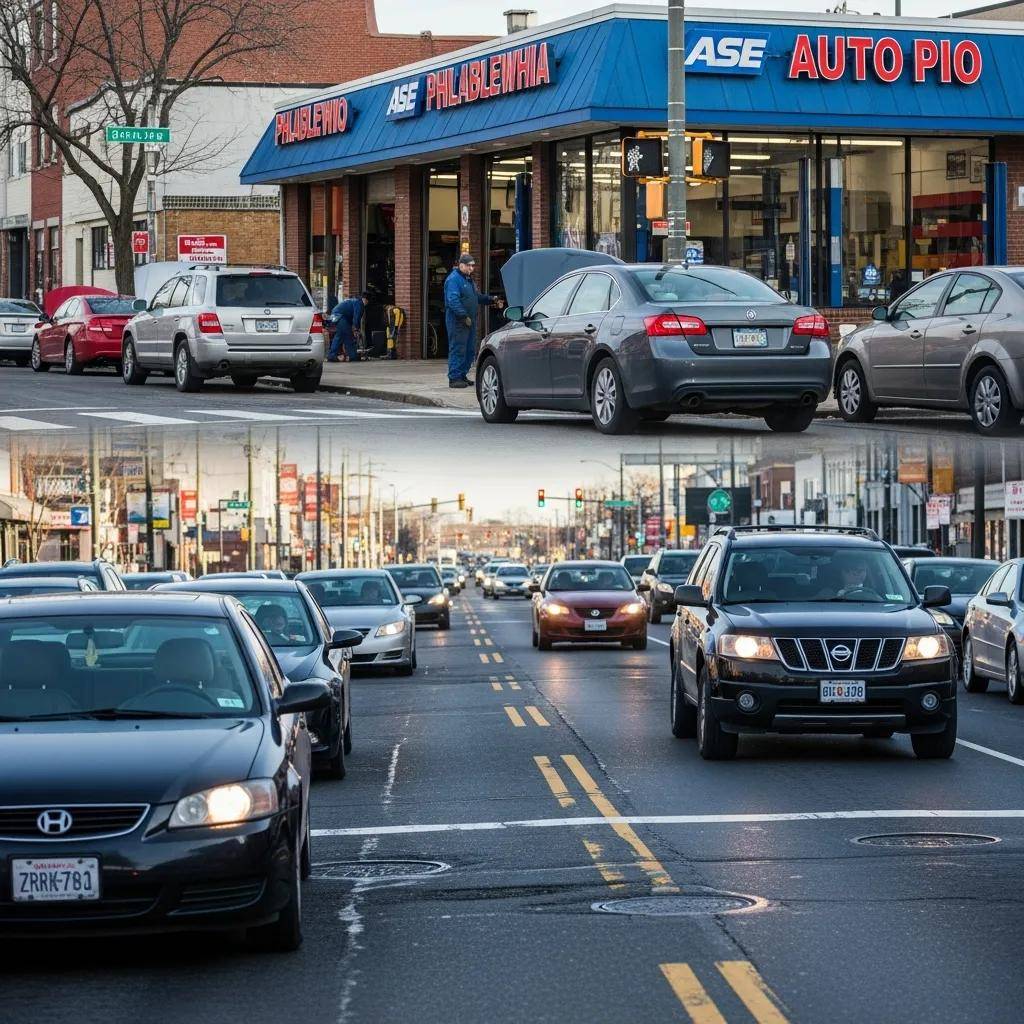
Top 5 Auto Repairs Philadelphia Drivers Frequently Need to Keep Their Cars Running Smoothly
Philadelphia drivers face a unique mix of road conditions, weather, and inspection rules that drive certain repair needs more often than elsewhere. This guide identifies the top five repairs Philadelphia motorists commonly need, explains the symptoms to watch for, and shows how timely maintenance saves money and prevents breakdowns. You will learn to recognize brake, engine, tire, inspection/emissions, and fluid-related issues, map everyday symptoms to likely causes, and follow clear prevention steps tailored to Philadelphia’s pothole-prone streets and winter road salt. Each section includes quick-check lists, practical diagnostic steps, and local service considerations so you can act confidently when a problem appears. Read on for targeted advice on brakes, engine diagnostics, tires and alignment, PA inspection readiness, fluid maintenance, and selecting a trustworthy local shop.
Top 5 Auto Repairs Every Philadelphia Driver Needs
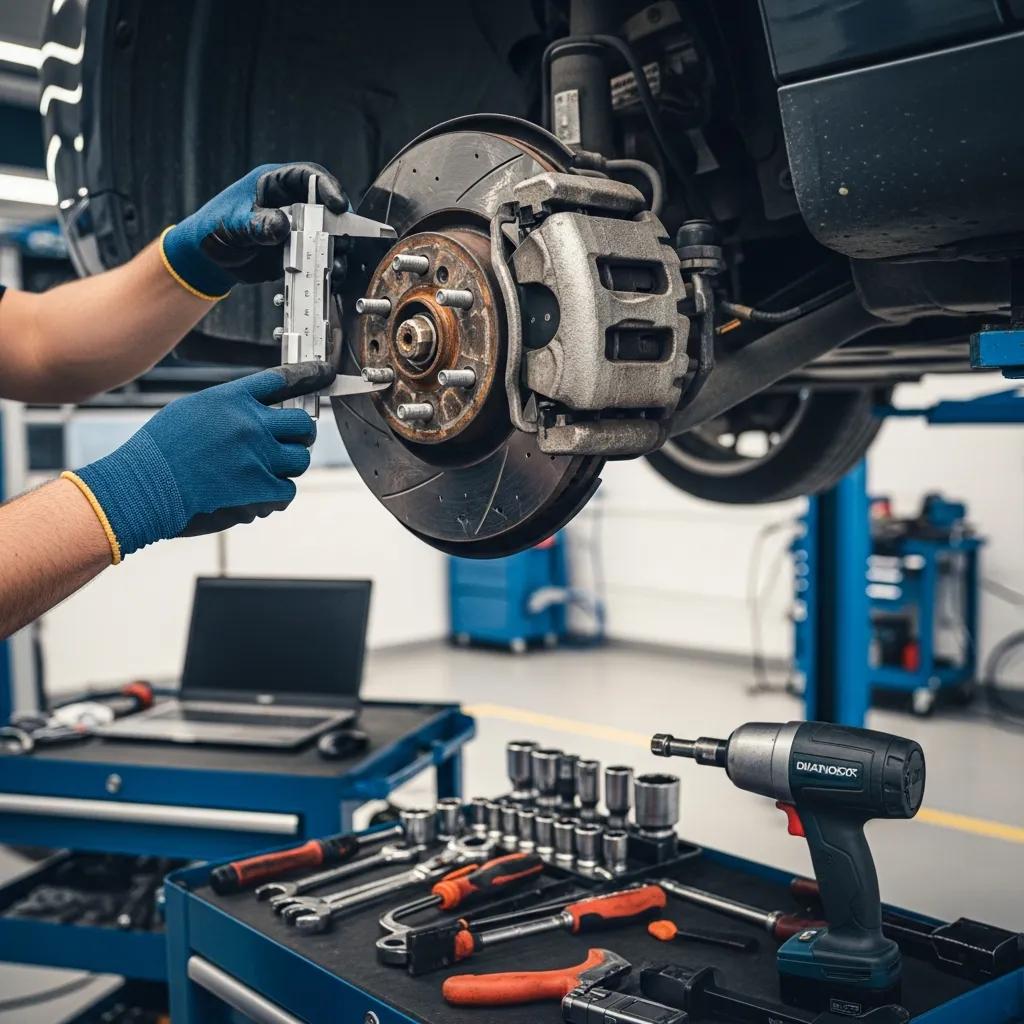
Braking problems in Philadelphia typically stem from wear and impact: worn brake pads reduce friction, warped rotors cause pedal pulsation, and caliper or ABS faults interfere with pressure distribution. These failures increase stopping distance and risk on wet or salt-treated streets, so early identification improves safety and prevents more expensive repairs. Understanding the specific failure modes—abrasive pad wear from stop-and-go traffic, rotor heat damage from repeated heavy braking, and contamination from road salt—lets drivers prioritize inspections. The following quick list highlights the most frequent brake issues and immediate actions to take when you notice symptoms.
Common brake issues Philadelphia drivers encounter:
- Worn brake pads: replace pads before metal-to-metal contact causes rotor damage.
- Warped rotors: machine or replace rotors when vibration occurs while braking.
- Brake fluid contamination or low fluid: top off fluids and pressure-test the system for leaks.
These issues share a simple causal chain: pad wear or contamination → reduced friction or uneven contact → longer stopping distance and vibration. Regular inspections catch pad thickness and fluid condition early, preserving rotor life and ABS reliability. Understanding these warning signs leads naturally to routine self-checks you can perform and when to call a shop.
What Symptoms Indicate You Need Philadelphia Brake Repair?
Squealing, grinding, or metallic noises under braking are direct signs that pads are worn to their wear indicators and need replacement immediately to avoid rotor damage. A spongy or soft brake pedal often signals air or moisture in the brake lines or low brake fluid, requiring a fluid flush and leak diagnosis to restore proper hydraulic pressure. Feelings of vibration or pulsation through the pedal typically indicate warped rotors or uneven pad deposit, which a shop can measure and correct through resurfacing or replacement. If you notice longer stopping distances, illuminated ABS or brake warnings, or fluid leaks beneath the vehicle, those symptoms warrant prompt inspection to maintain safety and prevent more expensive repairs.
How Does Timely Brake Service Prevent Accidents in Philadelphia?
Timely brake service restores the friction surfaces and hydraulic integrity that directly control stopping distance, which is crucial on slick pavements and in heavy urban traffic. When pads and rotors are maintained, braking force transmits predictably from pedal to wheel, reducing the chance of skids or loss of control at intersections or during emergency stops. A simple example: replacing thin pads and correcting warped rotors can cut stopping distance by several feet, often making the difference in avoiding a collision on wet cobblestone or salt-treated roads. Scheduled inspections also catch caliper seize or ABS faults early, preventing asymmetric braking that can cause spinouts. Keeping brakes in serviceable condition is therefore one of the highest-impact safety measures a Philadelphia driver can take.
After checking these brake symptoms and preventive steps, many drivers look for a reliable local brake service provider. 8 Cylinders Auto Repair performs brake pad and rotor replacement, caliper inspection, and ABS repair with ASE-certified technicians and modern diagnostic equipment. Their approach emphasizes transparent, upfront pricing and fast turnaround times, helping drivers get back on Philadelphia streets quickly and safely while ensuring repairs address the root cause.
How Can Engine Diagnostics and Repair Keep Your Philadelphia Car Running Smoothly?
Engine diagnostics is the methodical process of reading fault codes, analyzing live sensor data, and testing components to locate the underlying cause of performance problems like misfires or stalling. The mechanism—scan, inspect, test, repair—replaces guesswork with data-driven decisions, reducing repair cycles and preventing unnecessary part swaps. For Philadelphia drivers, short-trip driving and winter cold can accentuate ignition and fuel delivery problems, so prompt diagnostics preserves fuel economy and prevents catalytic converter stress. The stepwise diagnostic flow below clarifies when to seek professional help and what to expect from a qualified technician.
A common engine diagnostic workflow:
- Scan OBD-II codes to identify active and pending faults.
- Review live data and perform component checks (ignition, injectors, sensors).
- Test suspect parts, replace or repair, and verify fixes with a re-scan.
Applying this workflow reduces misdiagnosis and typically resolves check engine light issues faster than trial-and-error repairs. When symptoms persist after simple checks—such as rough idle, reduced power, or unexplained stalling—professional diagnostics is the most cost-effective next step and prevents secondary damage like catalytic converter overheating.
What Are the Common Engine Problems Philadelphia Drivers Experience?
Philadelphia drivers frequently report check engine light codes triggered by misfires, failing O2 sensors, or evaporative emissions faults—issues that often relate to short trips, moisture intrusion, or road-salt corrosion. Misfires manifest as rough idle, hesitation on acceleration, or sudden power loss, and they commonly trace to spark plugs, ignition coils, or fuel delivery irregularities. Overheating or coolant leaks are also notable, particularly when radiator corrosion or damaged hoses occur from winter salt exposure. Understanding the probable causes helps prioritize checks: ignition system first for misfires, sensor and exhaust checks for emissions codes, and pressure/temperature checks for overheating complaints.
How Do ASE-Certified Technicians Perform Engine Diagnostics in Philadelphia?
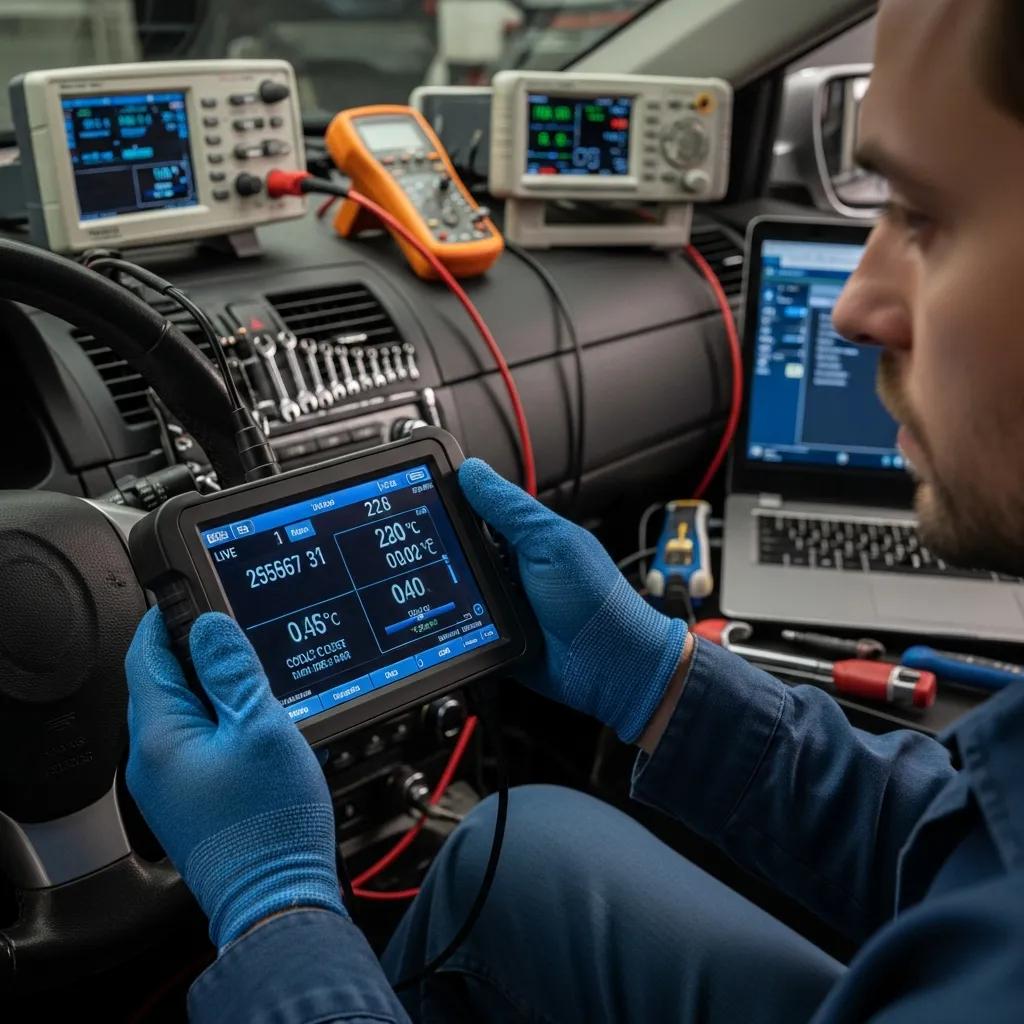
ASE-certified technicians combine standardized training with modern diagnostic equipment—OBD-II scanners, live-data analyzers, and oscilloscopes—to pinpoint engine faults efficiently and reliably. They start by recording codes, then correlate those codes with sensor data and physical inspections to avoid unnecessary replacements. Component-level testing (spark, compression, fuel pressure) verifies suspected failures before parts are replaced, and technicians document findings and recommended repairs to provide transparent estimates. This structured process shortens repair time, improves first-time-fix rates, and ensures work quality, which is especially valuable for Philadelphia drivers dealing with seasonal stressors on engine systems.
Following a clear explanation of diagnostics, drivers ready to proceed will find engine diagnostic capabilities at local shops that combine modern diagnostic equipment and engine rebuild experience. 8 Cylinders Auto Repair lists engine diagnostics and repair among its core services, using modern tools and ASE-certified technicians to identify and fix complex engine problems efficiently.
Why Is Tire Service Essential for Navigating Philadelphia Roads Safely?
Tire service maintains traction, handling, and ride quality, which directly affects safety on Philadelphia roads where potholes and uneven surfaces are common. The mechanism is straightforward: proper tread depth and correct alignment distribute forces evenly across the contact patch, preventing uneven wear and reducing blowout risk after impacts. Regular rotation, balancing, and alignment extend tire life and mitigate the cost of premature replacements. Below is a comparative table that helps drivers match observed tire conditions to likely causes and recommended shop actions, including conservative cost ranges for common fixes.
How Do Philadelphia Potholes Affect Tire Wear and Alignment?
Pothole impacts transmit sudden lateral and vertical forces that can damage tire sidewalls, dislodge beads, or deform wheel rims, producing bulges or slow leaks that require prompt repair or replacement. The same impacts can knock suspension geometry out of spec, leading to uneven tread wear and steering pull that accelerate tire degradation. After hitting a pothole, drivers should inspect tires for sidewall bubbles, listen for new vibrations, and check steering alignment at low speeds; shops can perform balancing and alignment checks to restore proper contact and prevent premature replacement. Attention to these post-impact checks reduces cascading repairs to suspension components that often accompany neglected pothole damage.
When Should You Replace or Repair Tires in Philadelphia?
Replace tires when tread reaches the legal minimum or when safety margins decline; a common safety threshold is replacing at or before 4/32″ tread depth for wet traction on urban streets. Age and sidewall integrity also matter—tires with visible cracking, bulges, or repair-ineligible punctures should be replaced rather than patched. After replacement, drivers should schedule alignment and balancing to prevent rapid uneven wear and to protect new tires from immediate damage from remaining suspension issues. These precautions help Philadelphia drivers avoid costly repeat replacements and maintain traction on wet, salt-treated surfaces.
After discussing practical tire thresholds and pothole impacts, consider local tire services for rotation, repair, and alignment that include cost-effective alignment checks and post-repair test drives. 8 Cylinders Auto Repair offers tire repair, rotation, and alignment services to help mitigate pothole damage and extend tire life with professional inspection and corrective alignment work.
What Should Philadelphia Drivers Know About PA State Inspection and Emissions Testing?
PA state inspections and emissions testing assess brakes, tires, lights, emissions systems, and structural integrity to ensure vehicles meet safety and environmental standards; failures commonly arise from worn braking components, poor tread, emission-related check engine codes, and windshield damage. Preparing for inspection involves targeted pre-checks and fixes that address the typical failure points before the official test, improving pass rates and minimizing re-test costs. The table below maps inspection items to common failure reasons and pre-inspection checks drivers can run or request from a shop.
What Are the Most Common Reasons Cars Fail PA Inspections in Philadelphia?
Cars most often fail PA inspections because of worn brakes, insufficient tire tread, illuminated check engine lights indicating emissions faults, and cracked windshields or significant rust that compromises structural soundness. Emissions failures frequently link to faulty O2 sensors, catalytic converter inefficiency, or exhaust leaks that trigger diagnostic trouble codes, while brakes and tire issues are straightforward safety fails. Conducting simple pre-checks—test pedal firmness, measure tire tread, confirm all lights work, and scan for engine codes—lets drivers correct problems before inspection and avoid costly retests or citations.
How Can Pre-Inspection Services Improve Your Chances of Passing?
Pre-inspection services bundle checks for lights, tires, brakes, emissions readiness, and basic safety items to catch common failures early and provide clear repair estimates when issues arise. Shops perform a dry run of key inspection items, address minor repairs like bulb or wiper replacement, and resolve check engine codes where possible to restore emissions systems to compliant status. The result is a higher first-pass rate, fewer re-tests, and reduced overall cost and downtime compared to fixing failures after an official test. Scheduling a pre-inspection ahead of renewal simplifies the process and gives drivers confidence they’ll pass on the first attempt.
How Does Preventative Fluid Maintenance Help Philadelphia Drivers Avoid Costly Repairs?
Preventative fluid maintenance prevents component wear and failure by preserving lubrication, cooling, and hydraulic function—critical mechanisms that protect engines, transmissions, brakes, and steering systems. Monitoring and replacing fluids at recommended intervals reduces friction, controls operating temperatures, and prevents corrosion accelerated by road salt. Below is a practical comparison of essential fluids, the symptoms of their failure, and conservative service interval guidance so drivers can prioritize checks and schedule preventative maintenance effectively.
What Are the Essential Fluids to Monitor in Philadelphia Vehicles?
Oil, coolant, transmission fluid, brake fluid, power steering fluid, and windshield washer fluid each perform unique roles: oil lubricates, coolant manages temperature, transmission fluid conditions gears, brake fluid transmits hydraulic force, and power steering fluid enables smooth steering. Visual cues—dark oil, pink or green coolant, reddish transmission fluid—offer immediate diagnostic clues, while smells or puddles indicate active leaks. For Philadelphia drivers who face frequent short trips and salted roads, checking oil and coolant more often helps detect early degradation and prevents rust-corrosion related leaks. Regularly scheduled fluid maintenance extends component life and reduces the likelihood of roadside failures.
What Signs Indicate Fluid Leaks and When Should You Seek Repair?
Puddles under the vehicle, lowered fluid reservoirs, unusual smells (sweet for coolant, burnt for transmission), or colored stains on the pavement point to active leaks and require prompt diagnosis. Oil leaks generally produce dark brown or black spots, coolant leaks leave green/orange/pink residue depending on type, and transmission fluid appears reddish; identifying the color helps technicians narrow the source quickly. Immediate towing or emergency service is warranted for heavy coolant loss or brake fluid leaks because those can cause overheating or braking failure, whereas small leaks in non-critical systems may be scheduled for repair. Shops use pressure testing and visual inspection to locate leak sources and recommend targeted repairs to prevent escalating damage.
How Can Philadelphia Drivers Choose the Best Auto Repair Shop for Their Needs?
Selecting the right shop hinges on clear criteria: certified technicians, modern diagnostic equipment, transparent pricing, warranties or satisfaction guarantees, and a strong local reputation demonstrated by reviews and referrals. ASE certification indicates standardized training and competence in diagnostics and repair, while up-to-date diagnostic tools ensure accurate fault isolation and efficient repairs. Ask shops how they communicate estimates and whether they provide written scopes of work and warranty terms to avoid surprises. Evaluating turnaround times, parts sourcing practices, and the shop’s approach to explaining repairs will help you choose a provider that balances quality, cost, and convenience.
- Verify technician certifications and diagnostic equipment availability.
- Request transparent, written estimates and warranty details.
- Check local reputation through reviews and direct referrals.
Using this checklist narrows choices to shops that deliver reliable diagnostics and clear pricing while avoiding red flags like unclear estimates or pushy upsells. A consistent evaluation approach saves time and increases the likelihood of satisfactory repairs.
Why Are ASE-Certified Technicians Important for Philadelphia Auto Repairs?
ASE certification signals that technicians have passed standardized tests and demonstrated practical competence across automotive systems, which improves diagnostic accuracy and repair reliability. Certified techs are more likely to use diagnostic scans correctly, interpret live data, and validate repairs—actions that reduce repeat visits and unnecessary part replacements. For Philadelphia drivers, where corrosion and seasonal stressors complicate diagnostics, ASE-certified personnel bring consistent methods and accountability to troubleshooting and repairs. Verifying certification and asking how shops document diagnostic procedures helps ensure you receive thorough, transparent service.
What Makes 8 Cylinders Auto Repair a Trusted Choice in Philadelphia?
8 Cylinders Auto Repair is a full-service auto shop in Philadelphia that offers comprehensive repair and maintenance for all makes and models, staffed by ASE-certified technicians who use modern diagnostic equipment and service bays. Their core services include engine diagnostics and repair, brake repair, suspension and steering work, transmission repair, exhaust system repairs including catalytic converter services, electrical diagnostics, radiator and cooling system maintenance, and PA inspection and emissions testing. The shop emphasizes honest, upfront pricing, fast turnaround times, and a customer satisfaction guarantee, positioning itself as a local option for drivers who want transparent estimates and skilled diagnostics. To schedule an appointment or discuss a specific repair, contact 8 Cylinders Auto Repair at their Philadelphia location, 3311 N 13th St, Philadelphia, PA 19140, or by phone at +1 (445) 287-2000.