
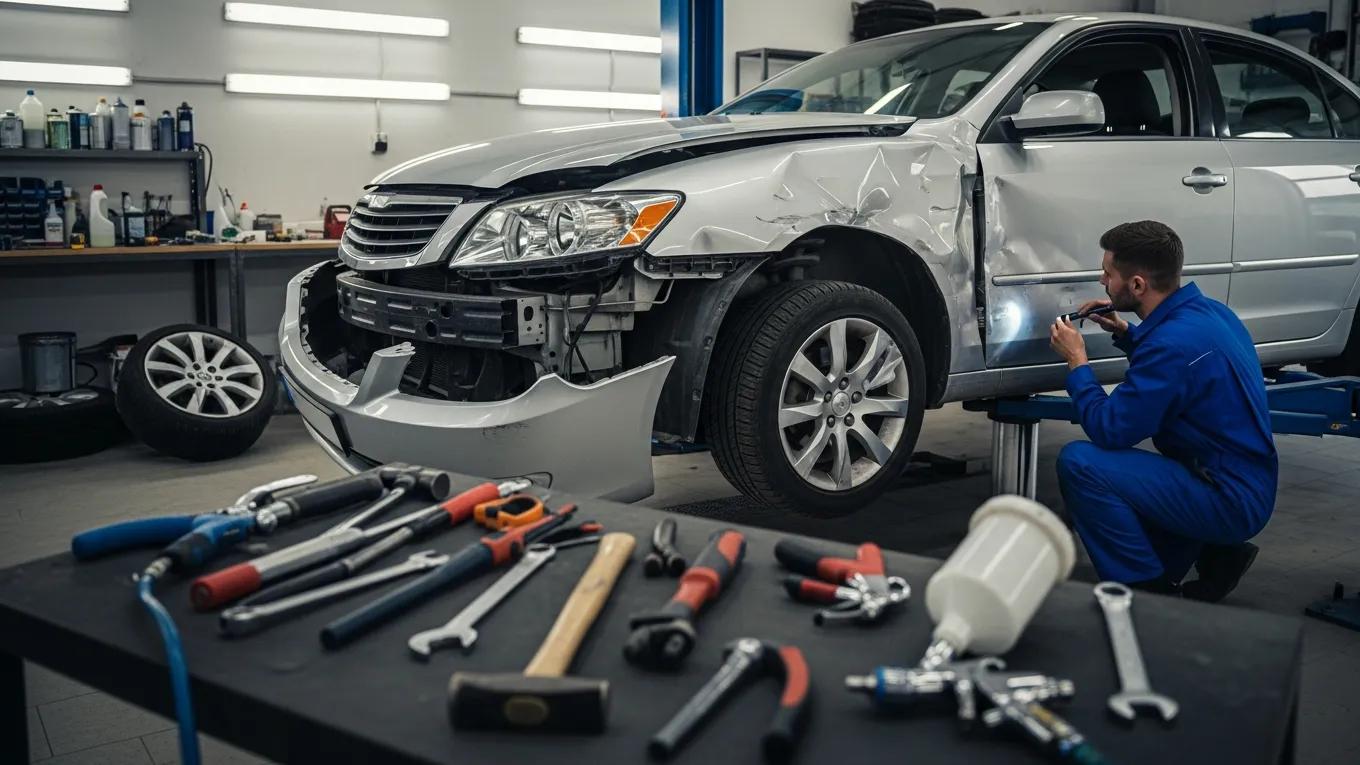
How Much Does Car Body Damage Repair Cost?
Car body damage can be a significant concern for vehicle owners, often leading to unexpected repair costs. Understanding the average cost to fix car body damage is essential for budgeting and making informed decisions about vehicle maintenance. This guide will explore the typical price ranges for various auto body repairs, the factors that influence these costs, and tips for obtaining accurate estimates. By the end of this article, readers will have a clearer picture of what to expect when facing car body repairs, including insights into labor rates, parts replacement, and the severity of damage.
Average Price Ranges for Common Auto Body Repairs
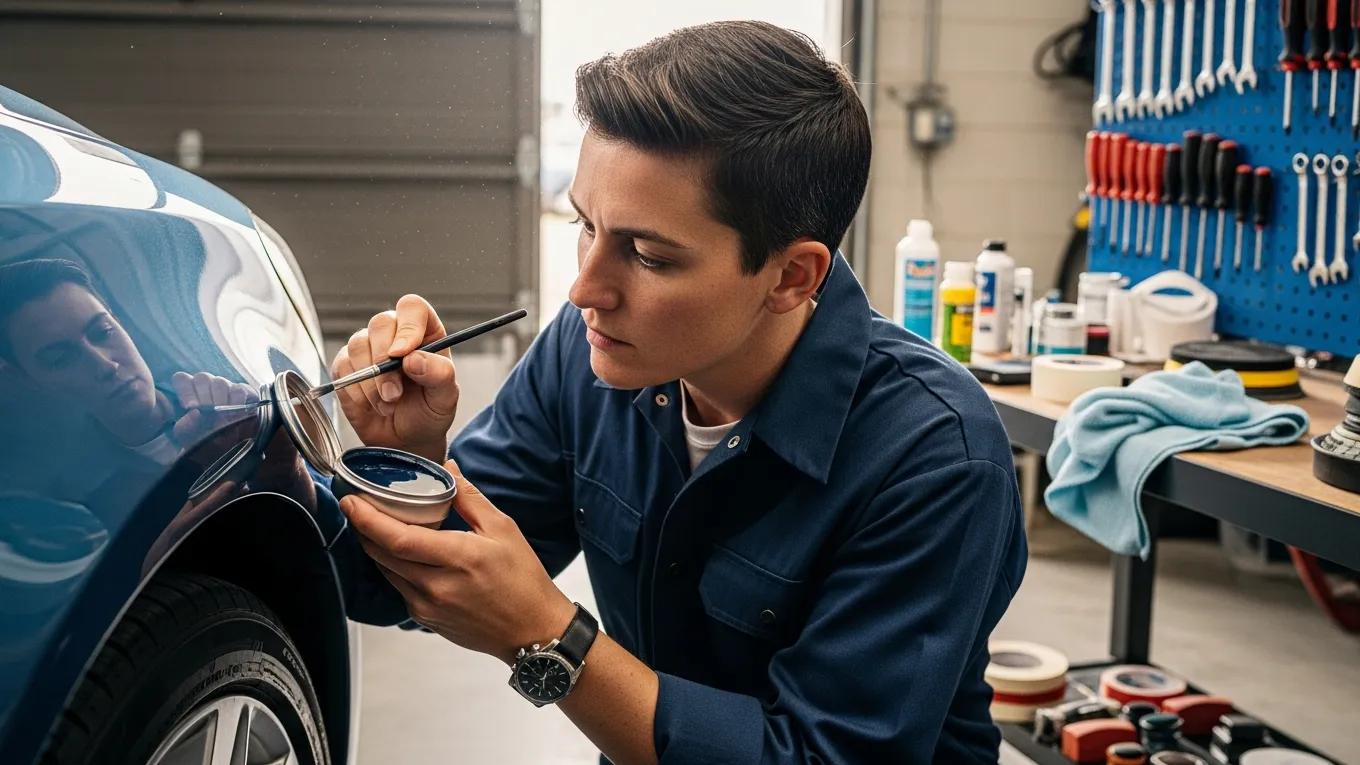
When it comes to car body repairs, costs can vary widely based on the type of damage and the repair methods used. Here are some average price ranges for common auto body repairs:
These price ranges provide a general idea of what to expect, but actual costs may vary based on specific circumstances and the repair shop chosen.
Factors Influencing Repair Costs
Several factors can significantly influence the cost of car body repairs. Understanding these elements can help vehicle owners make informed decisions and potentially save money.
Labor Rates and Technician Expertise: How Skill Impacts Price
Labor rates are a crucial component of repair costs, typically ranging from $75 to $150 per hour. Technicians with advanced certifications, such as ASE certification, often command rates around $100 to $125 per hour. The skill and experience of the technician can impact the efficiency and quality of the repair, making it essential to consider when choosing a repair shop.
Parts Replacement: Original vs. Aftermarket Components
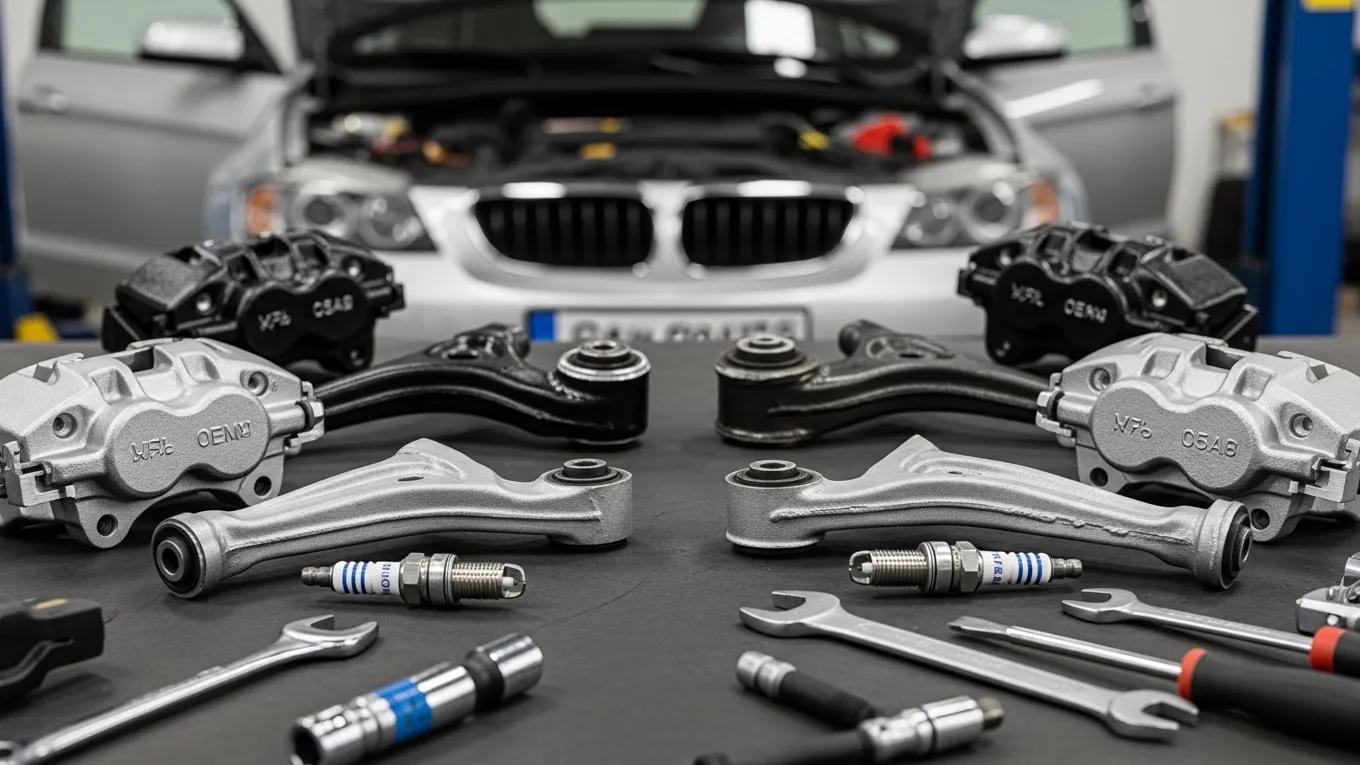
The choice between OEM (Original Equipment Manufacturer) parts and aftermarket components can also affect repair costs. OEM parts are generally more expensive but offer guaranteed compatibility and quality. In contrast, aftermarket parts can vary widely in price and quality, potentially leading to lower repair costs but with varying reliability.
Severity and Location of Damage: Minor Dents to Major Collisions
The severity and location of the damage play a significant role in determining repair costs. Minor repairs, such as small dents or scratches, can start around $100, while major collision repairs can range from $2,000 to $4,500. Understanding the extent of the damage is crucial for obtaining accurate estimates and planning for repairs.
Tips for Obtaining Accurate Estimates
Getting accurate repair estimates is vital for budgeting and ensuring fair pricing. Here are some tips to help vehicle owners navigate the estimation process:
- Complete Diagnostics: Ensure that the repair shop conducts a thorough diagnostic to identify all necessary repairs.
- Request Itemized Quotes: Ask for detailed estimates that break down labor, parts, and any additional fees.
- Compare Multiple Estimates: Obtain quotes from several repair shops to ensure competitive pricing and quality service.
By following these tips, vehicle owners can better understand the costs associated with car body repairs and make informed decisions.