
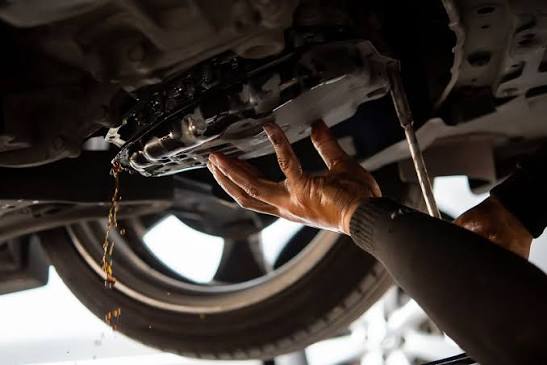
Your vehicle’s transmission is one of its most important systems, ensuring power from the engine is transferred smoothly to the wheels. Like engine oil, transmission fluid plays a vital role in lubricating moving parts, reducing heat, and ensuring seamless gear shifts. Over time, however, transmission fluid breaks down, becomes contaminated, and loses its ability to protect the transmission.
Ignoring the need for a transmission fluid change can lead to poor performance, expensive repairs, and even complete transmission failure. Recognizing the warning signs early allows you to schedule maintenance before minor issues turn into major problems. While many drivers focus on oil changes and tire maintenance, regular transmission service is equally essential for keeping your vehicle running safely and efficiently.
Why Is a Transmission Fluid Change Important?
Transmission fluid performs several essential functions, including:
- Lubricating gears and internal components
- Preventing overheating
- Reducing friction and wear
- Cleaning internal transmission parts
- Providing hydraulic pressure for smooth gear changes
As the fluid ages, it collects dirt, metal particles, and debris. Old or contaminated fluid cannot lubricate the transmission effectively, causing increased wear and reduced performance. Scheduling a transmission fluid change at the manufacturer’s recommended interval helps protect one of the most expensive components in your vehicle.
1. Difficulty Shifting Gears
One of the first signs your car may need a transmission fluid change is difficulty shifting gears.
You may notice:
- Delayed gear engagement
- Hard shifting
- Slipping between gears
- Hesitation while accelerating
Dirty or low transmission fluid prevents the hydraulic system from operating efficiently, making gear changes rough and unpredictable.
2. Transmission Slipping
If your engine revs higher than normal without corresponding acceleration, your transmission may be slipping.
Transmission slipping often occurs because worn or contaminated fluid can no longer maintain proper hydraulic pressure. This issue should never be ignored, as continued driving may cause severe internal damage requiring costly repairs.
Identifying Unusual Noises from Your Transmission
Healthy transmissions operate quietly.
Grinding, whining, humming, or clunking noises while shifting gears often indicate insufficient lubrication or contaminated transmission fluid.
A professional technician can inspect the system and determine whether a simple transmission fluid change will solve the problem or if additional repairs are needed.
4. Burning Smell
A burning odor coming from your vehicle often indicates overheating transmission fluid.
Transmission fluid helps cool internal components. When the fluid becomes old or contaminated, it loses its cooling ability, allowing temperatures to rise.
Overheated transmission fluid can quickly damage seals, clutches, and gears, making prompt service essential.
5. Transmission Fluid Leaks
Transmission fluid is typically bright red when new and may appear dark red or brown as it ages.
If you notice fluid leaking underneath your vehicle, schedule an inspection immediately.
Driving with low transmission fluid can lead to overheating and permanent transmission damage.
6. Delayed Acceleration
When you press the accelerator, your vehicle should respond immediately.
If acceleration feels sluggish or delayed, the transmission may not be transferring power efficiently.
Low or contaminated transmission fluid often contributes to delayed response, especially in automatic transmissions.
7. Dashboard Warning Lights
Modern vehicles monitor transmission performance through electronic sensors.
If the check engine light or transmission warning light appears, don’t ignore it.
Professional diagnostics can identify whether the issue is related to fluid condition, sensors, or internal transmission components.
8. Dark or Dirty Transmission Fluid
Clean transmission fluid is generally bright red and transparent.
If the fluid appears:
- Dark brown
- Black
- Cloudy
- Contains metal particles
it’s time for a transmission fluid change.
Regular inspections help detect fluid deterioration before it affects transmission performance.
9. Poor Fuel Economy
A struggling transmission forces the engine to work harder, reducing fuel efficiency.
Fresh transmission fluid minimizes internal friction, allowing smoother operation and better fuel economy.
Drivers often notice improved performance after replacing old transmission fluid.
10. Vehicle Vibrations While Driving
If your vehicle shakes or vibrates while changing gears, contaminated transmission fluid could be preventing smooth operation.
These vibrations should always be inspected promptly to prevent further mechanical damage.
How Often Should You Schedule a Transmission Fluid Change?
The recommended interval depends on your vehicle’s manufacturer, driving habits, and transmission type.
General guidelines include:
- Every 30,000–60,000 miles for many vehicles
- Every 60,000–100,000 miles for some newer models using synthetic transmission fluid
- More frequent service if you tow heavy loads, drive in stop-and-go traffic, or operate in extreme temperatures
Always consult your owner’s manual or ask a qualified technician for the correct maintenance schedule.
Don’t Ignore Other Vehicle Systems
While transmission maintenance is essential, other systems also contribute to your vehicle’s overall performance.
For example, your suspension absorbs road impacts, improves steering stability, and ensures proper tire contact with the road. If you experience excessive bouncing, uneven tire wear, or poor handling, visiting a trusted suspension repair shop can restore ride comfort and improve vehicle safety.
Maintaining both your transmission and suspension ensures smoother driving, better control, and reduced wear on other vehicle components.
Benefits of Regular Transmission Fluid Changes
Keeping up with routine transmission fluid change services offers numerous advantages, including:
- Smoother gear shifting
- Improved acceleration
- Better fuel efficiency
- Reduced transmission wear
- Lower operating temperatures
- Longer transmission lifespan
- Fewer costly repairs
- Enhanced overall vehicle performance
Preventive maintenance is always more affordable than replacing or rebuilding a damaged transmission.
Choosing the Right Repair Shop
When scheduling a transmission fluid change, choose a repair shop that:
- Employs certified technicians
- Uses manufacturer-approved transmission fluids
- Performs complete transmission inspections
- Checks for leaks and worn components
- Provides transparent pricing
- Recommends maintenance based on your vehicle’s requirements
If your vehicle also shows signs of suspension issues, selecting a reputable suspension repair shop that offers comprehensive automotive services can save time and ensure every major system is inspected during your visit.
Final Thoughts
Your transmission is one of the most valuable components in your vehicle, and regular maintenance is the key to keeping it operating efficiently. Warning signs such as rough shifting, transmission slipping, fluid leaks, burning smells, delayed acceleration, and unusual noises should never be ignored. Scheduling a timely transmission fluid change helps prevent expensive repairs, improves fuel efficiency, and extends the life of your transmission. Pairing transmission maintenance with inspections from a trusted suspension repair shop ensures your vehicle remains safe, comfortable, and dependable for years to come.
Frequently Asked Questions
1. How often should I get a transmission fluid change?
Most manufacturers recommend a transmission fluid change every 30,000 to 60,000 miles, though some vehicles may have longer intervals. Always follow your owner’s manual.
2. What happens if I don’t change my transmission fluid?
Old or contaminated fluid can cause rough shifting, overheating, transmission slipping, reduced fuel efficiency, and eventually costly transmission failure.
3. What are the signs that my transmission fluid needs changing?
Common signs include delayed gear shifts, slipping gears, grinding noises, dark or burnt-smelling fluid, transmission leaks, and dashboard warning lights.
4. Can dirty transmission fluid affect my vehicle’s performance?
Yes. Dirty transmission fluid increases friction, reduces lubrication, causes overheating, and negatively impacts acceleration, shifting, and fuel economy.
5. Why should I visit a suspension repair shop if my car feels unstable?
A professional suspension repair shop can diagnose worn shocks, struts, springs, or steering components that affect handling, ride comfort, tire wear, and overall driving safety.