
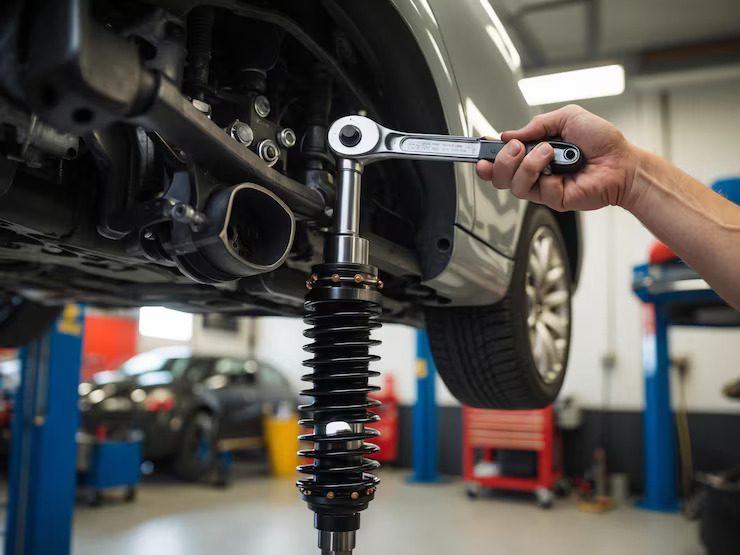
Your vehicle’s suspension system plays an important role in providing a comfortable and controlled driving experience. It helps absorb bumps and uneven road surfaces while keeping your tyres in contact with the road. The suspension also contributes to steering control, handling, braking performance, and overall vehicle stability.
Like other mechanical components, suspension parts can wear out over time. Recognising the warning signs early can help prevent additional damage and maintain your vehicle’s performance. If you notice changes in how your vehicle handles, it may be time to consider professional suspension repair.
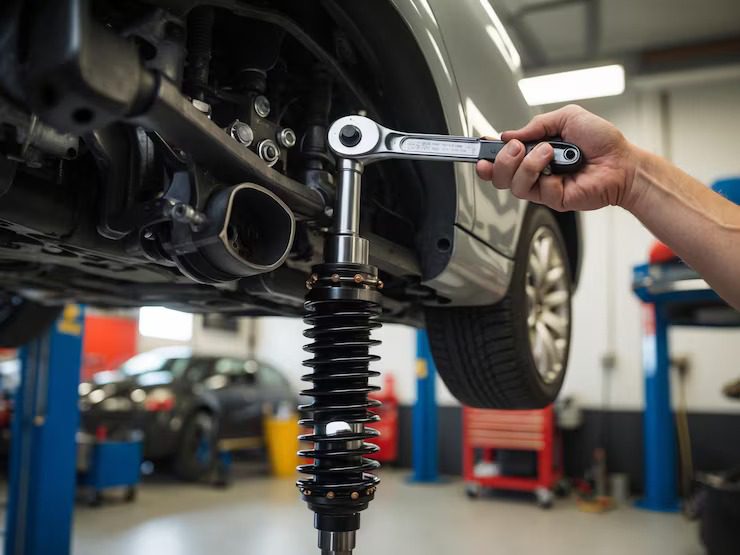
What Does the Suspension System Do?
A vehicle’s suspension system consists of several components that work together, including shocks, struts, springs, control arms, bushings, ball joints, and other related parts. These components help support the vehicle while allowing the wheels to move over uneven surfaces.
A properly functioning suspension system helps your vehicle remain stable when turning, braking, accelerating, and driving over bumps. When suspension components become worn or damaged, you may notice changes in ride quality and handling.
Regular inspections can help identify worn components before they create more serious problems.
1. Your Vehicle Rides Rougher Than Usual
One of the most noticeable signs of suspension problems is a sudden change in ride comfort. If your vehicle feels unusually rough or you feel every bump and pothole more strongly than before, worn suspension components could be responsible.
Shocks and struts help control the movement of your vehicle after it encounters bumps. When they become worn, the vehicle may bounce excessively or feel less stable.
If your ride has become noticeably uncomfortable, a professional inspection can determine whether suspension repair is needed.
2. Your Car Continues Bouncing After Hitting a Bump
It is normal for a vehicle to move slightly after passing over a bump. However, excessive bouncing can indicate worn shocks or struts.
If your vehicle continues to bounce several times after travelling over a speed bump or uneven road, the suspension may not be controlling the movement properly.
A technician can inspect the shocks, struts, springs, and related components to determine the cause and recommend the appropriate repair.
3. Your Vehicle Pulls to One Side
If your vehicle consistently pulls left or right while driving on a relatively straight road, there could be an issue with the suspension, wheel alignment, tyres, steering components, or other systems.
Suspension problems can affect wheel positioning and handling. Driving with an unresolved problem may result in uneven tyre wear and reduced control.
A professional inspection can help determine whether the issue requires alignment, suspension work, or another type of repair.
4. You Notice Uneven Tyre Wear
Take a close look at your tyres from time to time. If one tyre or one section of the tyre is wearing faster than the others, it could indicate an alignment or suspension problem.
Worn suspension components can affect how the tyre contacts the road. This may contribute to irregular tread wear and reduce tyre life.
If you notice unusual tyre wear, have both the tyres and suspension system inspected. Addressing the underlying issue can help prevent unnecessary tyre replacement.
5. Your Vehicle Dips When Braking
A healthy suspension system helps keep the vehicle stable during braking. If the front of your car noticeably dips or dives when you apply the brakes, worn shocks or other suspension components may be contributing to the problem.
Brake problems can also produce changes in stopping performance, so any unusual braking behaviour should be inspected promptly.
Suspension and braking systems work together to maintain vehicle stability. A professional technician can check both systems when necessary.
6. You Hear Knocking or Clunking Sounds
Unusual noises coming from underneath your vehicle can be another indication of suspension problems. You may hear knocking, clunking, squeaking, or rattling sounds when driving over bumps or turning.
These sounds can be caused by worn bushings, ball joints, control arms, stabiliser links, shocks, struts, or other components.
Because different mechanical problems can produce similar sounds, professional diagnosis is recommended rather than replacing parts based only on the noise.
7. Your Car Feels Unstable Around Corners
Your suspension system contributes significantly to handling and stability. If your vehicle feels like it leans excessively during turns or becomes difficult to control around corners, worn suspension components may be involved.
A vehicle that feels unstable should not be ignored. Suspension problems can affect handling and driver confidence, particularly during emergency manoeuvres or on uneven roads.
Scheduling a professional inspection can help identify worn or damaged components.
8. You Notice Fluid Leaking From Shocks or Struts
Some shocks and struts contain hydraulic fluid. If you notice oily residue or fluid around these components, it may indicate a leak.
A leaking shock or strut may not provide the same level of damping as a properly functioning component. This can affect ride quality, handling, and stability.
If you notice signs of leakage, have the suspension inspected by a qualified technician. Depending on the condition, replacement of the affected component may be recommended.
How Often Should Suspension Components Be Checked?
There is no single replacement interval that applies to every vehicle. Suspension component life can depend on the vehicle, driving conditions, road quality, mileage, vehicle load, and driving habits.
Vehicles regularly driven on rough roads, through potholes, or with heavy loads may experience greater suspension wear.
A suspension inspection can be particularly useful when your vehicle reaches higher mileage or when you notice changes in handling or ride quality.
Suspension Repair vs. Other Vehicle Repairs
Many vehicle symptoms can overlap. For example, vibrations may be caused by tyres, wheel alignment, suspension components, brakes, or drivetrain problems.
Similarly, poor acceleration or unusual engine noises are generally associated with different mechanical systems and may require car engine repair rather than suspension work.
This is why accurate diagnosis is important. A professional technician can inspect the relevant systems and determine the actual cause instead of replacing parts unnecessarily.
Why Timely Suspension Repair Matters
Delaying repairs can allow worn components to affect other parts of your vehicle. For example, suspension problems may contribute to uneven tyre wear, alignment issues, reduced handling, and additional component wear.
Timely suspension repair can help maintain ride comfort, handling, tyre performance, and overall vehicle stability.
If your vehicle shows one or more warning signs, schedule an inspection rather than waiting for the problem to become more noticeable.
Keep Your Vehicle Safe and Comfortable
Your suspension system is essential for more than just a smooth ride. It helps your vehicle maintain proper contact with the road and supports predictable handling during everyday driving.
Bouncing, pulling, uneven tyre wear, unusual noises, excessive body movement, or fluid leaks can all be reasons to have the suspension checked.
Whether you need suspension repair, routine maintenance, or car engine repair, professional diagnosis can help identify the problem and determine the appropriate solution. Addressing vehicle issues early can help maintain reliable performance and prevent minor problems from developing into more costly repairs.