
Your vehicle’s transmission plays an essential role in transferring power from the engine to the wheels and allowing your car to change gears smoothly. Transmission fluid helps lubricate internal components, control operating temperatures, and support proper transmission performance. Over time, however, transmission fluid can become contaminated, lose its effectiveness, or break down.
Knowing when to schedule a transmission fluid change can help maintain your vehicle’s performance and potentially reduce the risk of expensive transmission problems. While the recommended service interval varies by vehicle, there are several warning signs that can indicate your transmission fluid needs attention.
What Does Transmission Fluid Do?
Transmission fluid performs several important functions inside your vehicle. It lubricates moving transmission components, helps transfer hydraulic pressure, reduces friction, and helps manage heat generated during operation.
As transmission fluid ages, it can become darker or contaminated with debris. Depending on the vehicle and transmission type, degraded fluid may affect shifting performance and component lubrication.
Following the manufacturer’s maintenance recommendations is an important part of maintaining your transmission.
1. Your Vehicle Has Difficulty Changing Gears
One of the most noticeable signs of a transmission problem is difficulty changing gears. You may experience delayed shifts, hesitation, or difficulty moving between gears.
In an automatic transmission, worn or contaminated fluid can sometimes contribute to poor shifting performance. However, gear-shifting problems can also result from mechanical or electronic issues.
If your vehicle is shifting differently than usual, a professional inspection can determine whether a transmission fluid change or another repair is required.
2. You Experience Delayed Gear Engagement
When you shift from Park into Drive or Reverse, the vehicle should generally engage smoothly. If there is a noticeable delay before the vehicle begins moving, it may indicate a transmission-related issue.
Low or degraded transmission fluid can contribute to certain transmission performance problems. However, other causes may include worn components or hydraulic and electronic faults.
Having the vehicle inspected early can help identify the underlying cause before the problem becomes more serious.
3. Your Transmission Fluid Looks Dark or Dirty
Fresh transmission fluid is often relatively clean and has a colour that depends on the fluid type and manufacturer. Over time, heat and normal operation can cause the fluid to darken.
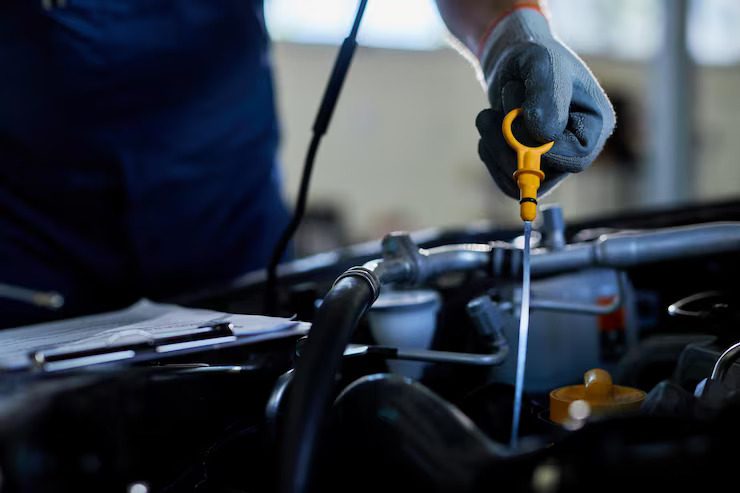
If your vehicle has a transmission fluid dipstick and the manufacturer’s instructions allow you to check it, inspect the fluid according to the recommended procedure.
Dark, dirty, or burnt-smelling fluid may indicate that the fluid needs attention. A qualified technician can inspect its condition and determine whether a fluid service is appropriate.
4. You Notice Unusual Transmission Noises
A healthy transmission should operate without excessive whining, grinding, clunking, or humming sounds.
Unusual noises can sometimes indicate low or degraded transmission fluid, but they can also point to mechanical wear or damaged components.
If you notice a new transmission noise, do not assume that changing the fluid will automatically solve the problem. Professional diagnosis can determine whether the issue is fluid-related or requires additional transmission repairs.
5. Your Vehicle Slips Between Gears
Transmission slipping occurs when the transmission does not remain properly engaged in the selected gear. You may notice the engine revving unexpectedly while the vehicle fails to accelerate as expected.
Low transmission fluid, degraded fluid, worn components, or other transmission problems can contribute to slipping.
Because transmission slipping can become a serious issue, it is important to have the vehicle inspected promptly rather than continuing to drive without addressing the cause.
6. You Notice a Transmission Fluid Leak
Transmission fluid leaks should not be ignored. A leak can reduce the fluid level and potentially affect lubrication and transmission operation.
Depending on the vehicle, transmission fluid may appear red, brown, or another colour depending on its age and type. However, colour alone is not enough to identify a fluid.
If you see fluid underneath your vehicle, have the source identified by a professional technician. The repair may involve fixing a seal, gasket, transmission pan, line, or another component before performing a transmission fluid change.
7. Your Vehicle Has Reached Its Recommended Service Interval
You do not always need to wait for a warning sign before servicing your transmission fluid.
Many vehicle manufacturers provide specific maintenance recommendations based on mileage, time, driving conditions, and transmission type. Some vehicles may require more frequent service under severe driving conditions, such as heavy towing, frequent stop-and-go traffic, or repeated short journeys.
Check your owner’s manual or speak with a qualified technician to determine the appropriate service schedule for your vehicle.
Transmission Fluid Change vs. Transmission Flush
A transmission fluid change and a transmission flush are not necessarily the same service.
A fluid change generally involves removing some of the existing fluid and replacing it with the appropriate new fluid. A flush may involve a more extensive process designed to replace a larger amount of the old fluid.
The correct service depends on the vehicle manufacturer’s recommendations, transmission condition, and maintenance history.
A professional technician can explain which service is appropriate for your specific vehicle.
Why Regular Transmission Maintenance Matters
Regular transmission maintenance can help keep the transmission operating efficiently. Proper fluid levels and suitable fluid condition support lubrication, cooling, and hydraulic operation.
Ignoring transmission warning signs can allow a developing problem to become more severe. For example, continuing to drive with low fluid caused by a leak may contribute to additional wear or overheating.
Scheduling routine maintenance and addressing symptoms early can help protect the transmission and support reliable vehicle performance.
Does Auto Body Service Include Transmission Repairs?
An auto body Philadelphia shop generally focuses on repairing exterior and structural damage, such as dents, scratches, collision damage, paint problems, and body panels. Transmission maintenance, including fluid services, is generally handled by an automotive mechanical repair shop.
However, drivers may need both types of services after a collision or other vehicle incident. Choosing the appropriate specialist helps ensure that each part of the vehicle receives the right type of inspection and repair.
How to Maintain Your Transmission
In addition to following the recommended transmission fluid service schedule, several habits can help support transmission health.
Avoid ignoring fluid leaks or warning lights. Make sure the correct transmission fluid is used for your vehicle, and follow the manufacturer’s recommendations for servicing.
If your vehicle regularly tows heavy loads or operates in demanding conditions, ask a qualified technician whether a different maintenance schedule is recommended.
Final Thoughts
A transmission fluid change is an important part of vehicle maintenance for many cars and trucks. Difficulty changing gears, delayed engagement, slipping, unusual noises, dark fluid, leaks, and reaching the manufacturer’s recommended service interval can all be reasons to have your transmission inspected.
Not every transmission problem is caused by fluid, so proper diagnosis is important before carrying out repairs or maintenance.
If you notice changes in transmission performance, arrange a professional inspection. Addressing problems early and following the recommended maintenance schedule can help keep your vehicle operating smoothly and reliably.