
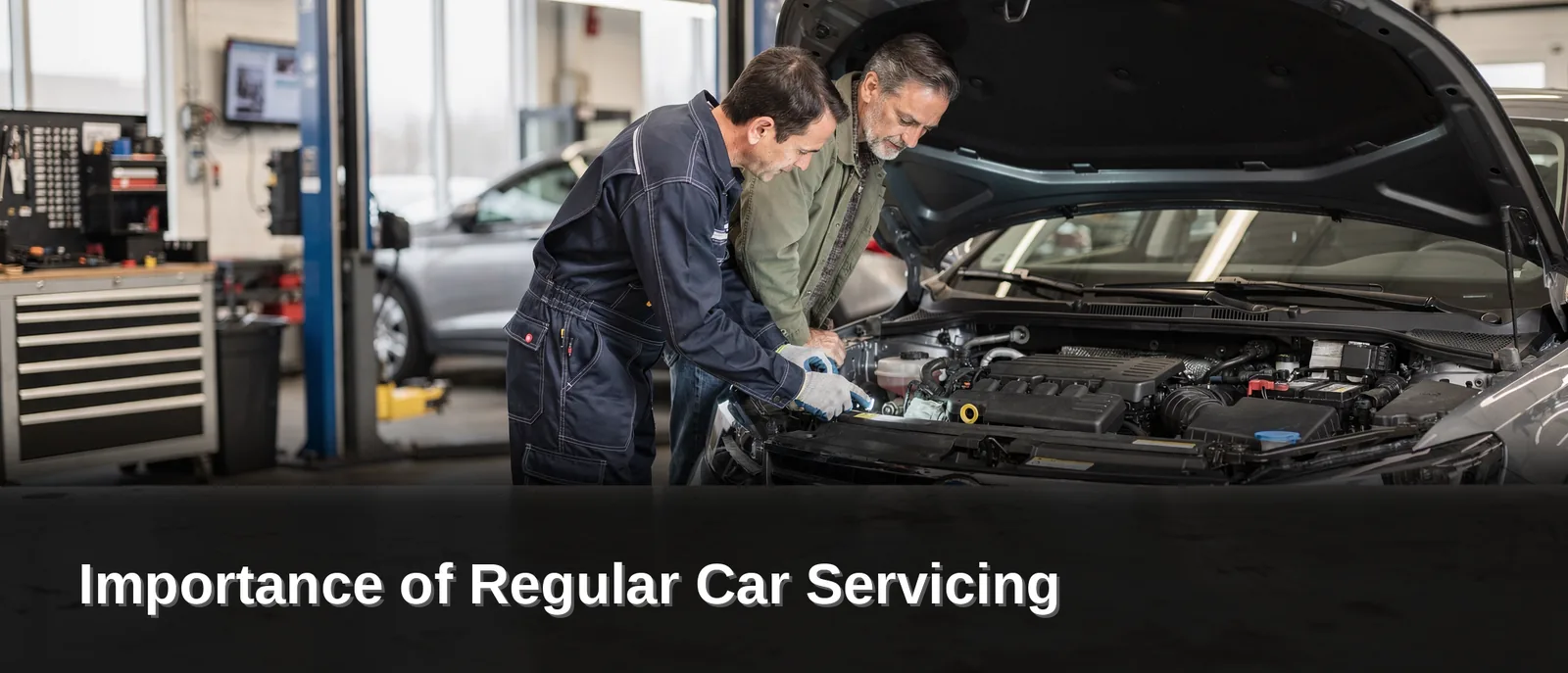
Routine maintenance prevents small issues from becoming expensive engine or brake failures, directly extending a vehicle’s lifespan. ASE-certified technicians at facilities like 8 Cylinders Auto Repair use thorough diagnostics to catch wear early, improving safety and performance. Philadelphia drivers who schedule consistent service visits reduce breakdown risk and avoid costly repairs, keeping vehicles reliable for years longer than neglected ones.
Key Takeaways
- Regular maintenance prevents costly repairs by addressing small issues before they become expensive problems.
- Routine servicing extends your vehicle’s lifespan by protecting critical engine components from premature wear.
- Scheduled maintenance improves fuel efficiency and performance, keeping your car running at peak condition.
- Preventive care eliminates unexpected breakdowns, ensuring your vehicle stays reliable and safe on Philadelphia roads.
How Does Routine Servicing Protect Vital Components?
Scheduled maintenance shields a vehicle’s engine, brakes, and fluid systems before small issues turn into expensive failures. Oil changes, tire rotations, and fluid top-offs keep moving parts lubricated and balanced, allowing the car to run smoothly instead of straining under neglect. Skipping these basics shortens component life and invites breakdowns at the worst possible moment.
What Happens During a Routine Service Visit?
A full-service shop handles the entire spectrum of vehicle care, including engine repair, brakes, diagnostics, and general maintenance for all vehicle types. Thorough inspections and transparent diagnostics identify problems accurately, often before a driver notices anything wrong. This proactive approach catches wear on belts, hoses, and brake pads while repairs remain simple and affordable.
Why Does Engine Care Matter Most?
The engine carries the highest repair cost of any vehicle system, so protecting it pays off. Certified technicians specialize in engine repair, diagnostics, rebuilding, and replacement, which keeps Philadelphia drivers safer on the road. Routine attention here, paired with:
- Oil and filter changes
- Tire rotations
- Fluid level checks
builds a maintenance habit that protects the entire car, not just one part.
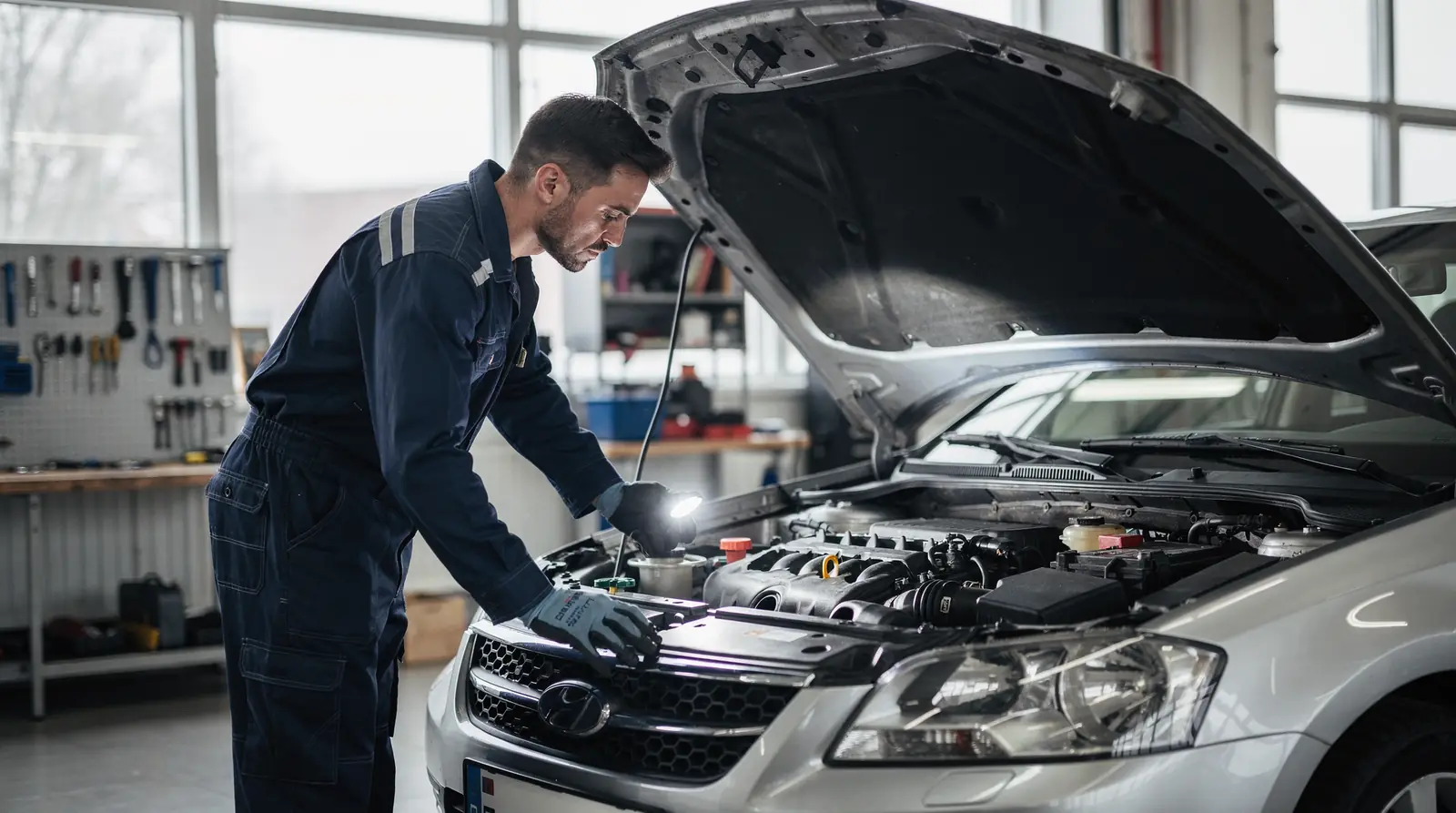
Can Regular Maintenance Prevent Costly Breakdowns?
Yes, routine upkeep lowers breakdown risk substantially. A vehicle kept in top mechanical condition faces far less chance of sudden failure or an accident caused by worn components. Neglecting basic service items reverses that protection, raising the odds of an unexpected breakdown and putting drivers and passengers at risk on the road.
This connection between maintenance and reliability sits at the heart of the Importance of Regular Car Servicing. Skipped oil changes, worn brake pads, and ignored fluid levels rarely announce themselves before failing.
What happens during a professional repair visit?
Certified mechanics diagnose the issue, then perform expert repairs using quality parts to restore safe operation. Every completed repair undergoes detailed testing afterward, confirming performance and reliability before the vehicle leaves the shop.
Why does skipping service increase danger?
Deferred maintenance allows small mechanical issues to escalate into breakdowns. The result is a higher chance of accidents affecting both driver and passengers.
Consider the trade-off:
- Regular servicing: lower breakdown risk, verified performance after repairs
- Deferred maintenance: higher breakdown risk, unaddressed mechanical wear
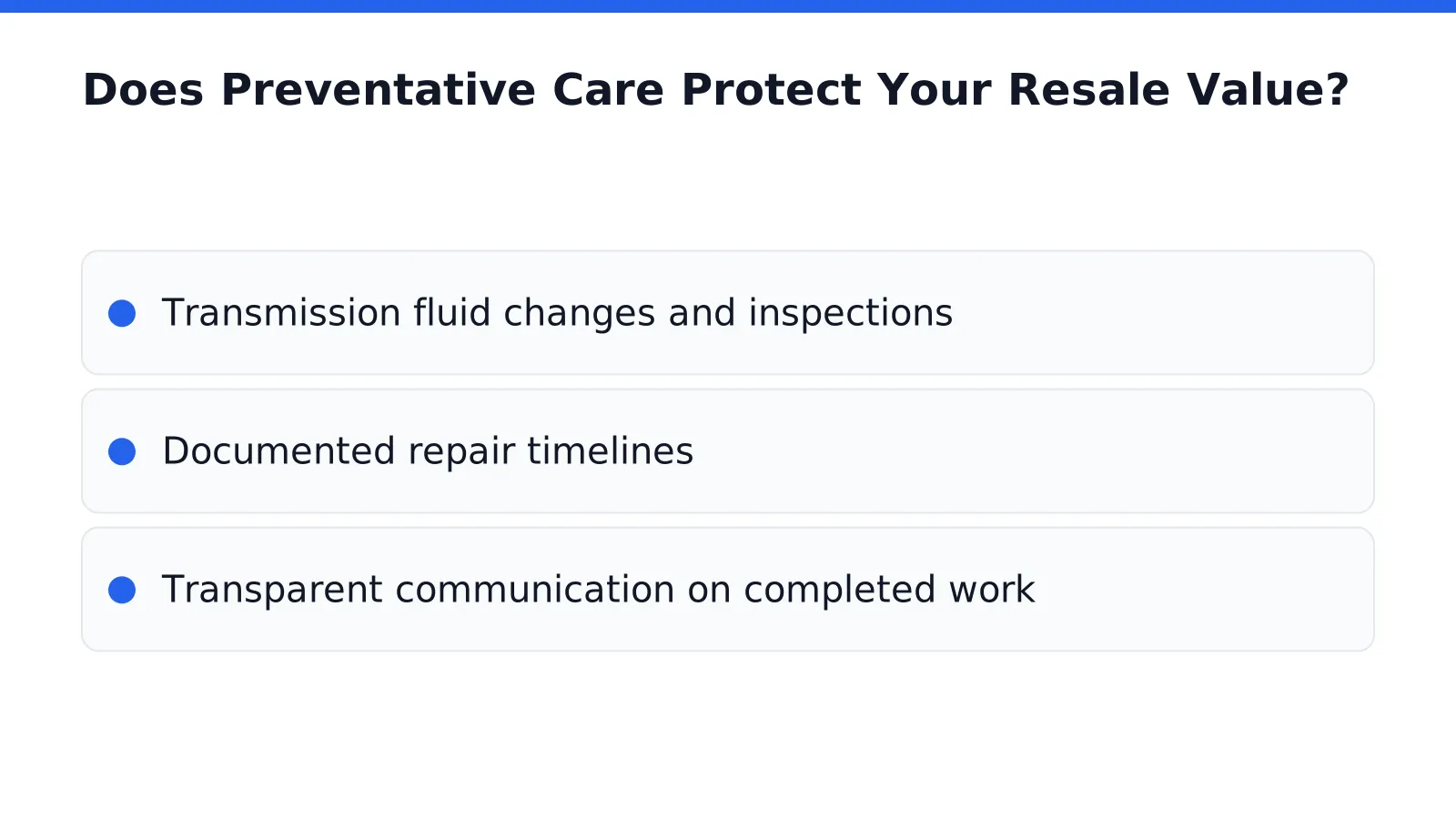
Does Preventative Care Protect Your Resale Value?
Yes, a documented maintenance history protects resale value by proving a vehicle received consistent, professional attention rather than neglect. Buyers pay less for cars with unknown service gaps, and that discount often exceeds the cost of routine upkeep. Regular car maintenance stands as one of the most significant ways to extend a vehicle’s overall lifespan. A longer-lasting engine translates directly into a stronger trade-in offer.
Drivetrain care matters just as much as engine care. Transmission service, repair, and replacement, including fluid changes for both automatic and manual gearboxes, protects components that are expensive to replace and that buyers inspect closely before purchase.
What records help the most at resale time?
Service documentation from a shop offering clear communication and timely updates gives buyers confidence that repairs were completed correctly and on schedule. A vehicle that was ready when promised, with no surprises along the way, signals a dependable ownership history.
Philadelphia drivers have direct access to this kind of preventative service locally, making consistent record-keeping easier to maintain over time:
- Transmission fluid changes and inspections
- Documented repair timelines
- Transparent communication on completed work
FAQ
Why does regular car servicing extend a vehicle’s lifespan?
Routine maintenance prevents small issues from becoming expensive engine or brake failures. Oil changes, tire rotations, and fluid top-offs keep moving parts lubricated and balanced, protecting critical components from premature wear.
What do ASE-certified technicians check during a service visit?
They perform thorough diagnostics and inspections to catch wear early, including belts, hoses, and brake pads. This proactive approach identifies problems while repairs remain simple and affordable, often before drivers notice anything wrong.
How does skipping maintenance affect breakdown risk?
Deferred maintenance allows small mechanical issues to escalate into breakdowns, raising the odds of accidents affecting drivers and passengers. Regular servicing instead lowers breakdown risk and keeps performance verified after repairs.
Conclusion
In closing, regular car servicing stands as the most effective investment a Philadelphia driver can make in vehicle longevity and safety. By addressing wear before it becomes failure, maintaining documented service records, and partnering with certified technicians for consistent inspections, you protect your engine, brakes, and drivetrain while preserving resale value. The choice between routine maintenance and deferred care determines whether your vehicle remains reliable for years or faces unexpected breakdowns that compromise both performance and your wallet.