
By 8cylindersautorepair Editorial Team · Updated 2026-08-31
Regular maintenance is crucial for vehicle longevity. 8cylindersautorepair in Philadelphia, PA recommends oil changes with a 23-point inspection covering fluid levels, tire pressure, tire rotation, and a visual brake check to keep vehicles running reliably year-round.
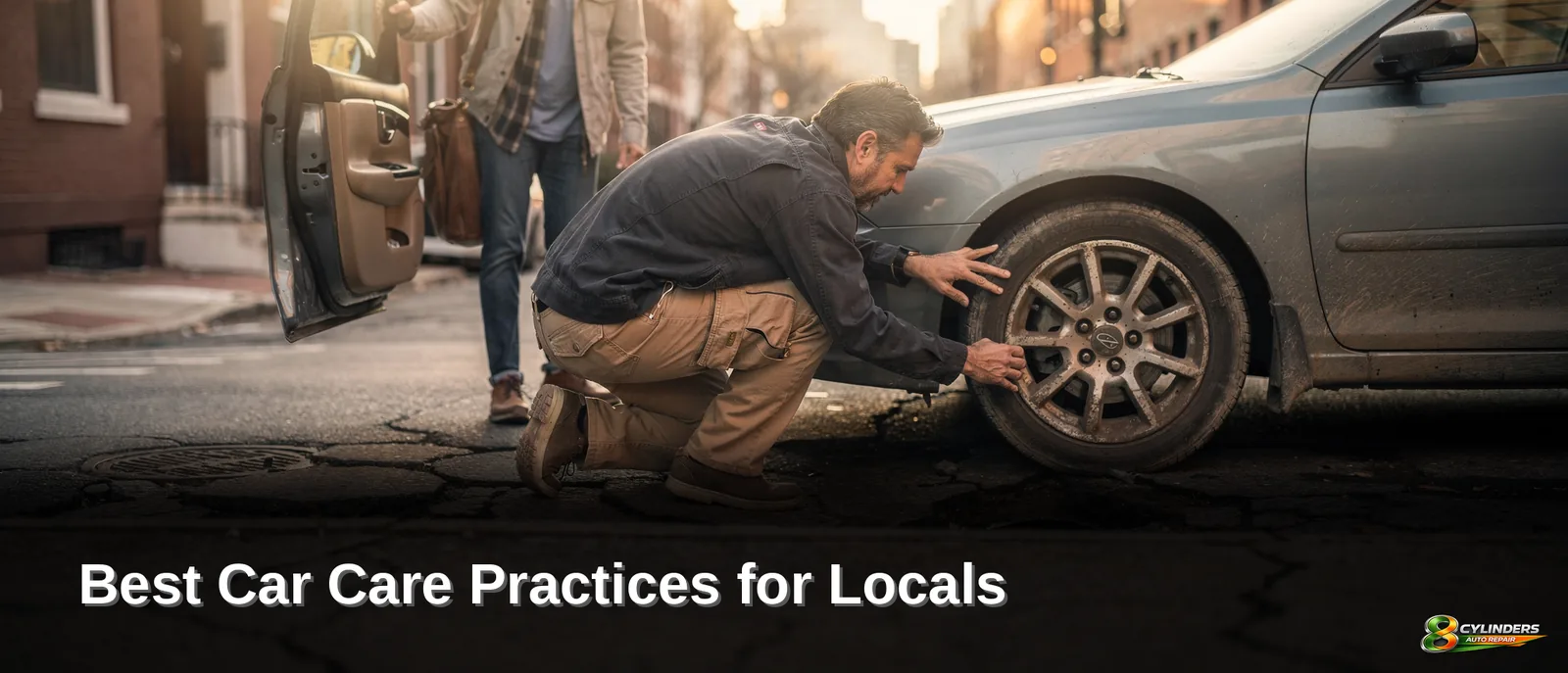
Philadelphia car care requires attention to potholes, road salt, and seasonal temperature swings that stress tires, suspension, and undercarriage components. 8 Cylinders Auto Repair recommends routine radiator inspections, brake checks, and fair, itemized estimates before major work begins. Regular maintenance limits corrosion damage and prevents costly breakdowns caused by the region’s harsh winters and heat waves.
Key Takeaways
- October marks car care month, emphasizing regular maintenance for Philadelphia vehicle owners.
- Heat waves damage vehicles more severely than sub-freezing winter temperatures do.
- Gas price increases require implementing small savings strategies for daily driving.
- 8 Cylinders Auto Repair in Philadelphia provides expert guidance on vehicle maintenance.
Why Do Philadelphia Roads Stress Your Vehicle?
Extended heat waves punish a vehicle harder than winter cold, wearing down cooling systems, tires, and suspension parts that stay in constant contact with hot asphalt. Philadelphia summers push engines into prolonged high-temperature operation, and that strain doesn’t ease up once the sun goes down. Sidewalk retains heat well into the evening, keeping tires and undercarriage components under continuous thermal load.
Cooling systems bear much of this burden. As an engine runs, coolant absorbs heat generated inside the block, and the radiator dissipates that heat before the fluid recirculates. This exchange has to happen correctly and continuously, especially during the temperature swings common to a Philadelphia summer. 90-degree afternoons often follow cool mornings.
What happens if a radiator can’t keep up?
A malfunctioning radiator can cause severe overheating, which may lead to costly repairs if not addressed promptly. Risk multiplies in stop-and-go city driving, where idling in traffic on routes like Broad Street or I-76 keeps the engine working without the airflow highway speeds normally provide.
Following best car care practices for locals starts with recognizing these compounding stressors. Consider how Philadelphia driving conditions load the vehicle:
- Heat waves stress cooling systems, tires, and suspension simultaneously
- Stop-and-go traffic reduces natural airflow needed for engine cooling
- Constant road contact accelerates wear on tires and undercarriage parts
Understanding these pressures helps drivers catch problems before they become expensive engine repairs.
How Can Routine Checks Protect Tires And Brakes?
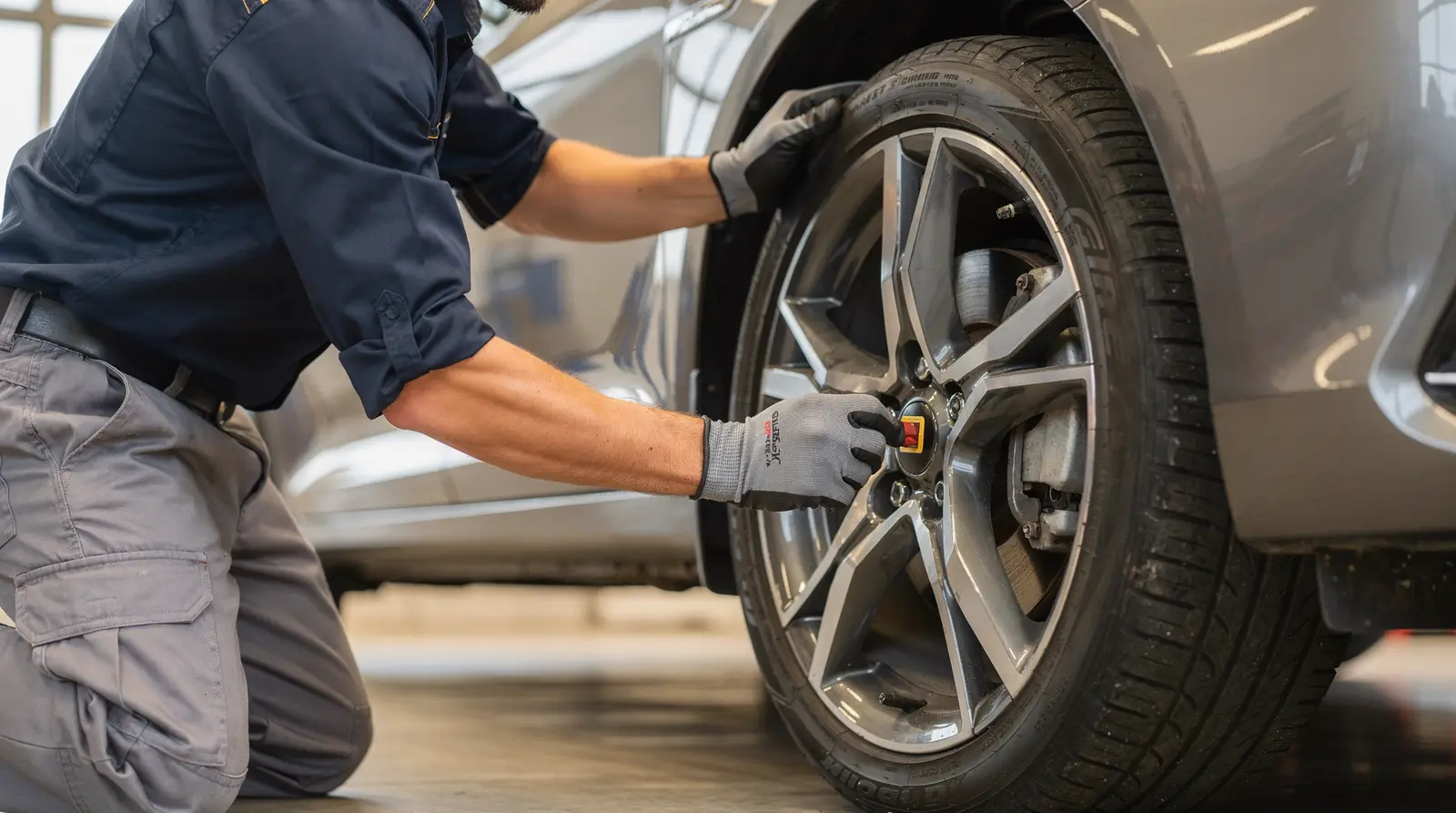
Routine inspection catches wear before it turns into a roadside failure on Philadelphia’s pothole-heavy streets. Skipping these checks lets small issues, like a slow leak or a worn pad, turn into blowouts or brake failure at the worst possible moment. Consistent, scheduled attention is one of the best car care practices for locals navigating cracked asphalt, cobblestone side streets, and steel bridge grates across the city.
Oil changes anchor this strategy. Keeping the engine running smoothly and reliably depends on regular service. That reliability extends to the systems connected to tires and suspension. A well-maintained engine doesn’t strain the drivetrain components that keep wheels aligned and braking responsive.
What should a full oil change package include?
A thorough package covers more than the oil filter. Technicians should perform a visual brake check, fluid check, tire pressure check, and tire rotation, paired with a full multi-point inspection. This bundle catches uneven tread wear and thinning brake pads before Philadelphia’s stop-and-go traffic makes the problem worse.
Can a bad hose affect more than the engine?
Yes. A radiator hose that’s cracked, swollen, leaking, or deteriorated lets coolant escape and causes overheating. Ignored long enough, that failure spreads into costly engine repairs and unpredictable breakdowns near the undercarriage.

When Should You Get A Professional Inspection?
A dashboard temperature gauge reading above normal signals the need for immediate professional attention. Philadelphia drivers navigating I-95 traffic or the Schuylkill Expressway during summer heat should treat this warning seriously. An overheating engine can cause damage within minutes. Waiting until the vehicle stalls on Roosevelt Boulevard costs far more than a same-week diagnostic visit.
Cost uncertainty is another reason to schedule an inspection early. Unclear quotes on major repairs catch many Philadelphia car owners off guard, particularly when engine trouble appears suddenly. Understanding local labor-rate context before authorizing work helps set realistic expectations and avoids sticker shock at pickup.
How do I know if my engine repair estimate is fair?
Engine repair costs vary significantly based on labor rates, the parts selected, and the specific mechanical issue involved. A shop that itemizes each of these three factors gives car owners a clearer basis for comparison than a single lump-sum figure.
What if my car is overheating on a Philadelphia commute?
Pull over safely and shut off the engine rather than continuing to a destination. Philadelphia shops specializing in cooling system diagnostics handle radiator inspection, repair, and replacement across all makes and models, including Audi, BMW, Honda, and Toyota. Coverage that matters for the city’s mixed fleet of imports and domestics facing pothole-heavy roads and temperature swings.
FAQ
What stresses vehicles most on Philadelphia roads?
Extended heat waves punish vehicles harder than winter cold, straining cooling systems, tires, and suspension through constant contact with hot asphalt and stop-and-go traffic on routes like Broad Street or I-76.
What does a routine oil change include at 8 Cylinders Auto Repair?
8 Cylinders Auto Repair performs a 23-point inspection covering fluid levels, tire pressure, tire rotation, and a visual brake check to keep vehicles running reliably year-round.
Why do routine tire and brake checks matter for Philadelphia drivers?
Routine inspections catch wear before small issues like a slow leak or worn pad become blowouts or brake failure, especially on Philadelphia’s potholes, cobblestone streets, and steel bridge grates.
Conclusion
In closing, proper car maintenance protects your investment and keeps you safe on Philadelphia’s roads. By following a consistent service schedule, addressing repairs promptly, and working with certified technicians who provide transparent estimates and clear explanations, you establish a foundation of reliability for your vehicle. Taking these steps now prevents costly breakdowns later and ensures your car performs dependably through every season.