Essential Auto Maintenance Tips for Philadelphia Drivers
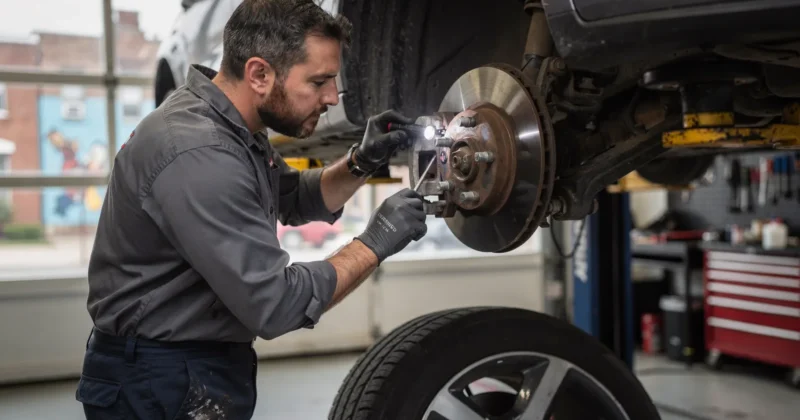
Regular maintenance is crucial for ensuring your vehicle operates efficiently and safely, especially in the unique climate conditions of Philadelphia. Drivers should prioritize seasonal checks, such as battery inspections in winter and air conditioning system tests in summer, to keep their vehicles in optimal condition.
For instance, changing your oil every 3,000 to 5,000 miles can prolong engine life, while checking tire pressure regularly can improve fuel efficiency and enhance safety on the road. By adhering to a routine maintenance schedule, vehicle owners can prevent costly repairs and ensure a smoother driving experience.
Understanding Common Engine Problems
Identifying engine issues early can save drivers from extensive repairs and potential breakdowns. Common symptoms like unusual noises, decreased power, or warning lights on the dashboard can indicate underlying problems that require immediate attention.
For example, a persistent knocking sound may suggest a lack of oil or a failing component, while a check engine light could point to a range of issues, from minor sensor problems to more serious engine malfunctions. Regular diagnostics and timely repairs are essential for maintaining engine health and performance.
How to Prepare Your Car for Winter in Philadelphia
Winter weather in Philadelphia can be harsh, making it vital for drivers to prepare their vehicles accordingly. Essential preparations include checking the antifreeze levels, inspecting tires for adequate tread, and ensuring your battery is in good condition to handle cold temperatures.
Additionally, having an emergency kit in your car, complete with blankets, a flashlight, and basic tools, can be a lifesaver during unexpected winter storms. Taking these proactive steps can enhance safety and reliability throughout the winter months.
The Importance of Regular Oil Changes
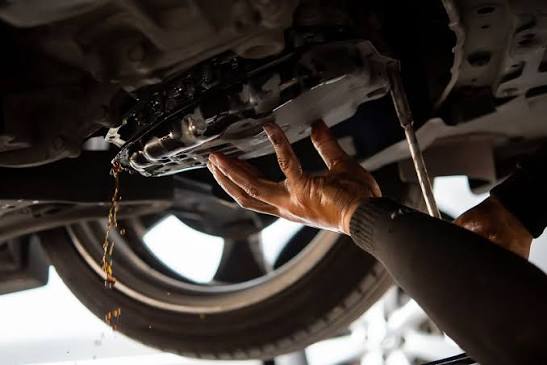
Oil changes are a fundamental aspect of vehicle maintenance that help ensure your engine runs smoothly. Fresh oil lubricates engine components, reduces friction, and helps to dissipate heat, which is crucial for optimal performance.
Neglecting oil changes can lead to engine wear and tear, decreased fuel efficiency, and ultimately, costly repairs. Most experts recommend changing your oil every 3,000 to 5,000 miles, but always refer to your vehicle's manual for specific guidance based on your car's make and model.