Essential Auto Maintenance Tips for Philadelphia Drivers
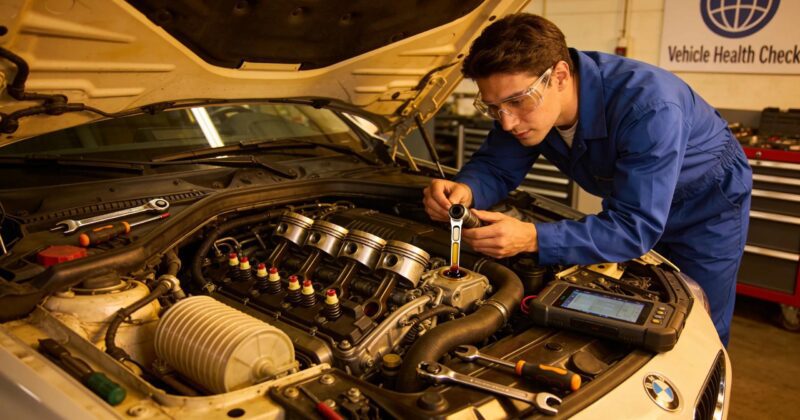
Regular maintenance is crucial for keeping your vehicle in optimal condition, especially in the challenging weather conditions of Philadelphia. Essential maintenance tasks include checking fluid levels, rotating tires, and regular oil changes to ensure your vehicle runs smoothly and efficiently.
For instance, changing your oil every 3,000 to 5,000 miles can significantly extend your engine's life. Additionally, rotating your tires every 6,000 miles helps promote even wear, enhancing safety and performance on the road.
Understanding Common Engine Problems
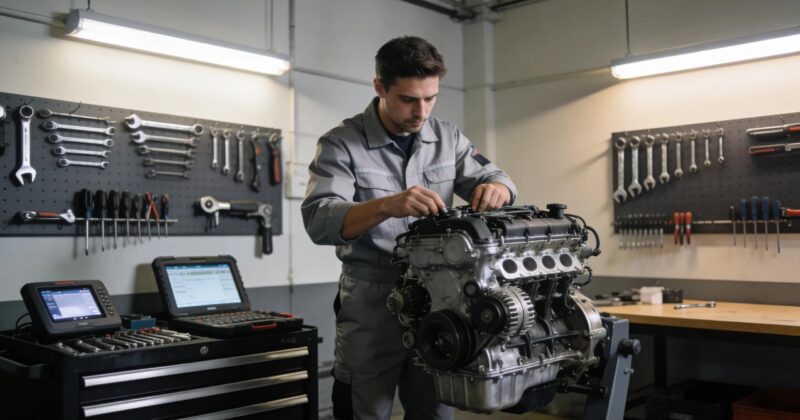
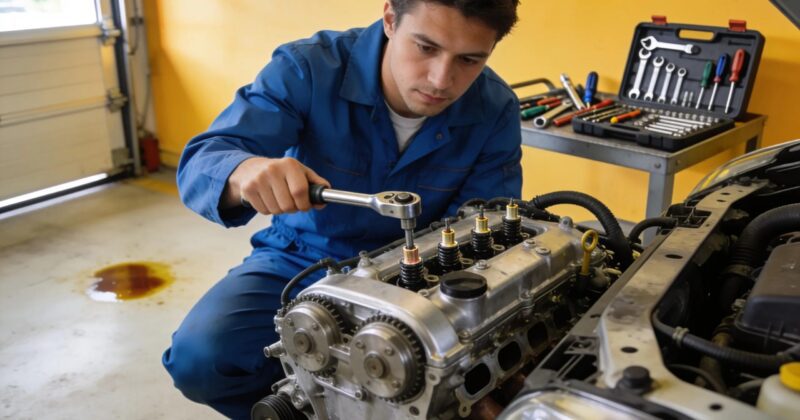
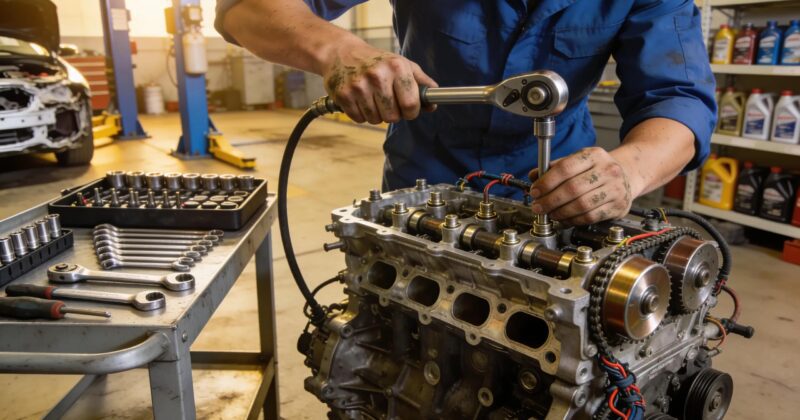
Engine issues can arise unexpectedly, and understanding common problems can help you address them promptly. Symptoms like unusual noises, warning lights, or decreased performance can indicate underlying engine issues that require immediate attention.
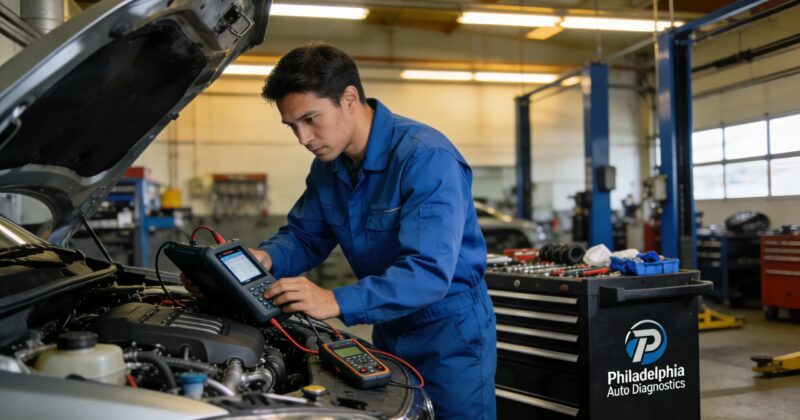
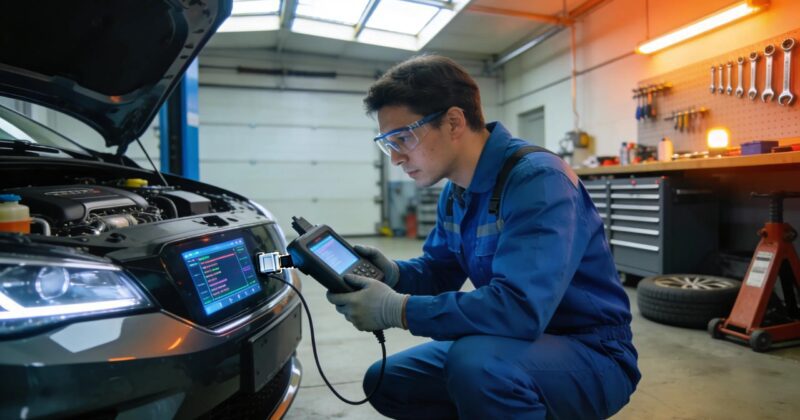
For example, a persistent check engine light can signal various problems, from a loose gas cap to more serious issues like a failing catalytic converter. Regular diagnostics can help identify these problems early, saving you time and money in repairs.
How to Prepare Your Car for Winter in Philadelphia
Winter can be harsh on vehicles, making it essential to prepare your car for the cold months ahead. Key preparations include checking your battery, ensuring your antifreeze is at the right level, and switching to winter tires for better traction.
Moreover, having an emergency kit in your car, including blankets, a flashlight, and non-perishable snacks, can be a lifesaver during unexpected winter weather events. Ensuring your vehicle is winter-ready can help prevent breakdowns and keep you safe on the road.
Signs You Need Brake Repair
Your brakes are one of the most critical safety features of your vehicle, and recognizing signs of wear can prevent accidents. If you hear squeaking or grinding noises, feel vibrations when braking, or notice a decrease in responsiveness, it’s time to seek professional brake repair.
Regularly inspecting your brake pads and rotors can help you catch these issues early. For instance, most brake pads should be replaced every 20,000 to 50,000 miles, depending on your driving habits and vehicle type, ensuring your braking system remains effective.