
Recognizing Engine Failure: Essential Warning Signs and Diagnostics
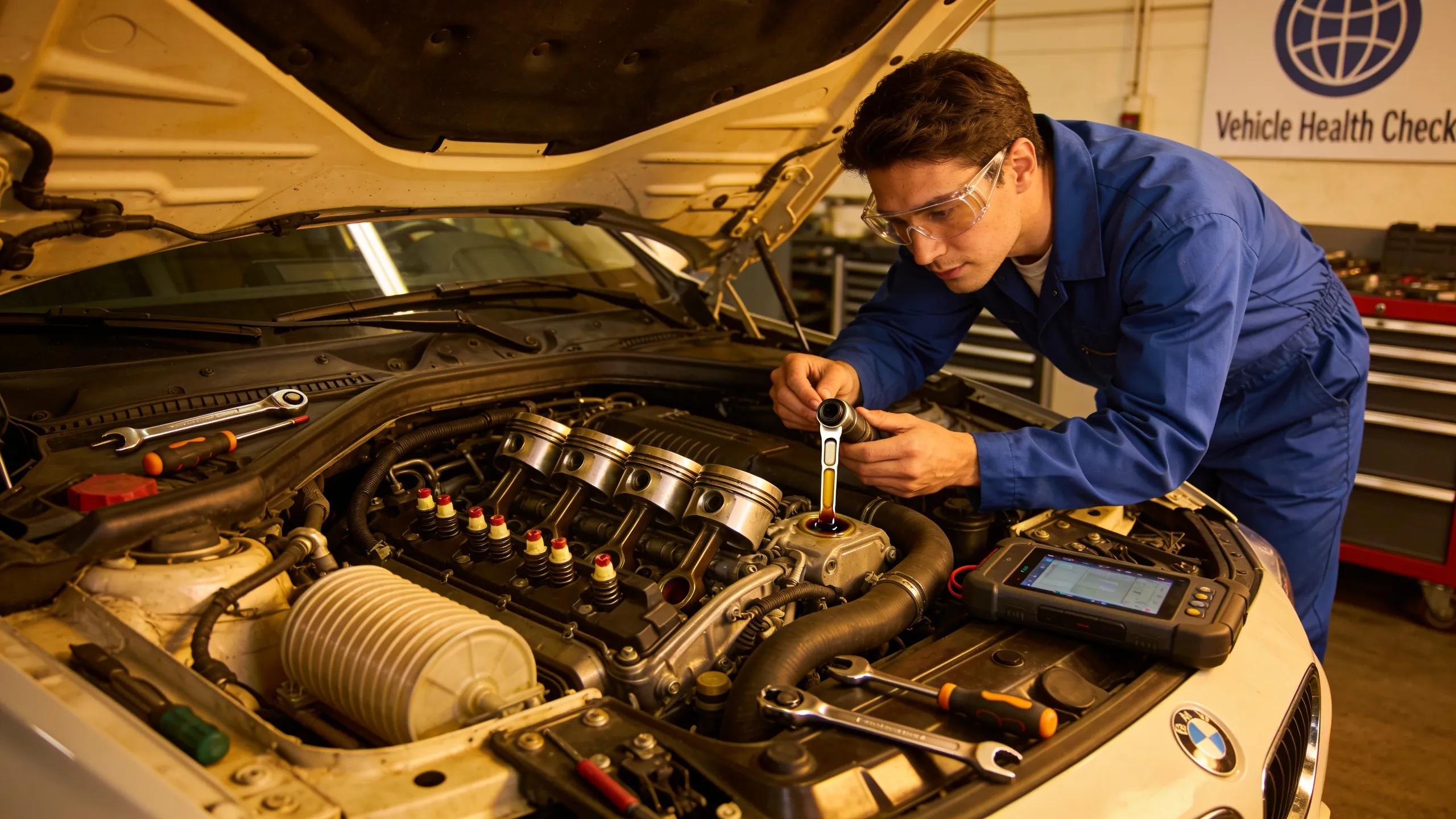
Understanding the intricate workings of your vehicle’s engine is crucial for maintaining optimal performance. Engine failure can lead to costly repairs, safety hazards, and unexpected breakdowns. This article will guide you through the key warning signs of engine failure, the diagnostic steps necessary to assess engine performance, and the actions you should take if issues arise. Every car owner should be able to identify these symptoms and understand the importance of early detection. Noting the early signs can save you both money and time, allowing you to catch potential issues before they escalate into major problems. In the following sections, we will discuss the distinctive warning signs of engine trouble, essential diagnostic steps to follow, and when it’s necessary to seek professional assistance.
Key Warning Signs of Engine Failure
Identifying warning signs of engine failure is vital for proactive vehicle maintenance. Several indicators suggest that your engine may be struggling, and being aware of them can help you diagnose issues early.
- Illuminated Check Engine Light: If your check engine light turns on, it indicates a potential problem that requires immediate attention.
- Unusual Engine Noises: Sounds such as knocking or grinding can suggest serious internal engine issues.
- Excessive Exhaust Smoke: Different smoke colors can point to various problems; for example, blue smoke typically indicates oil burning.
Recognizing these signs not only aids in immediate problem identification but also reinforces the importance of monitoring your vehicle’s performance regularly.
Diagnostic Steps to Assess Engine Performance
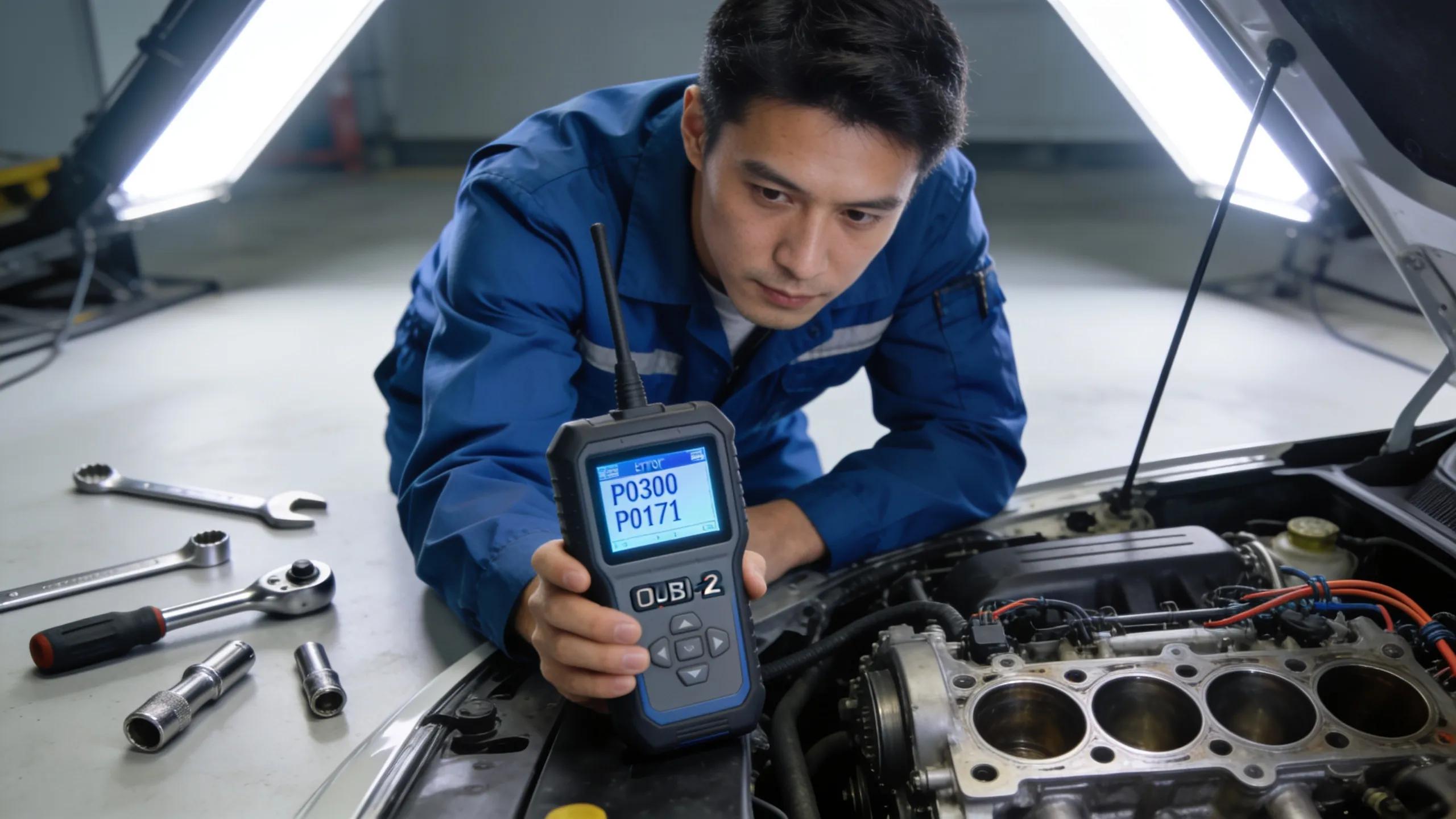
Proper engine diagnostics is essential for understanding potential issues. Follow these essential steps to effectively assess your engine’s condition.
- Initial Assessment: Start with a visual inspection of the engine compartment for obvious issues such as loose wires or leaks.
- Code Scanning: Use an OBD-II scanner to read any diagnostic trouble codes stored in the car’s computer.
- Visual Inspection: Check for leaks, smoke, or a strange smell during engine operation.
These steps serve as a foundation for diagnosing engine problems. If you notice persistent issues, it is recommended to consult a professional repair service.
What Are the Early Engine Warning Signs to Watch For?
Warning signs that indicate your engine may be failing include:
- Check Engine Light Activation: A clear alert that your car needs attention.
- Unusual Noises: Any clattering or knocking can indicate potential engine problems.
- Smoke Emission: Pay attention to color; for instance, thick black smoke suggests fuel issues.
These signs require prompt attention to prevent further damage and costly repairs. Monitoring your engine’s performance regularly can significantly improve longevity and reliability.
How to Identify Common Symptoms of Engine Problems
Identifying common symptoms is crucial for catching engine issues early. Some symptoms include:
- Decreased Performance: A noticeable decline in power and acceleration may indicate engine trouble.
- Engine Overheating: High-temperature readings can signify coolant leaks or other cooling system failures.
- Fluid Leaks: Any visible fluids under the car can denote leaks affecting engine performance.
Understanding these symptoms allows for timely intervention, preventing extensive damage and ensuring your vehicle’s reliability.
Which Noises and Vibrations Indicate Potential Engine Failure?
Specific sounds and vibrations can signal serious engine problems. Notable noises include:
- Ticking Noise: Often a sign of low oil levels or a misplaced engine component.
- Knocking Sound: Indicative of significant internal damage that should prompt immediate assessment.
- Vibrations or Shaking: These can suggest misalignment or failure in engine components, requiring detailed diagnostics.
Awareness of these audio and physical cues can aid in early detection, reducing the risk of further damage.
What Does Your Check Engine Light Mean and How Should You Respond?
The check engine light can indicate various issues, necessitating timely responses. This light could signify anything from a loose gas cap to a misfiring engine signal.
Common Causes
Common causes of an illuminated check engine light include:
- Faulty Oxygen Sensors: Affecting engine efficiency and emissions.
- Loose or Damaged Gas Cap: Causing fuel vapor leaks.
- Mass Airflow Sensor Issues: Impacting engine performance by delivering incorrect readings.
Immediate Steps To Take
When the check engine light illuminates, you should:
- Tighten or Replace the Gas Cap: This simple fix may resolve the issue.
- Use an OBD-II Scanner: Retrieve error codes for further diagnostics.
- Consult a Mechanic: If the light remains on after simple checks, professional diagnostic testing is advised.
When to Seek Professional Diagnostic Testing?
Professional diagnostics become essential under specific circumstances.
- Persistent Check Engine Light: If it stays illuminated after troubleshooting.
- Unusual Noises: That occur during regular operation.
- Excessive Smoke: From the exhaust indicates severe issues.
When these signs occur, seek professional diagnostics to prevent further damage and ensure your vehicle’s safety.
What Common Causes Lead to Engine Failure?
Several factors can contribute to engine failure, and understanding them is crucial for preventive maintenance. Key causes include:
- Mechanical Issues: Standard wear and tear can lead to vulnerabilities in engine performance.
- Maintenance Neglect: Skipping oil changes and regular check-ups exacerbates the risk of serious damage.
- Fluid Leaks: Allowing essential fluids to escape can result in overheating and component failure.
Being proactive in managing these risks can greatly enhance engine lifespan and avoid unexpected breakdowns.
Which Engine Components Are Most Prone to Failure?
Awareness of components prone to failure can inform preventive measures. Key components include:
- Cooling System: Essential for regulating engine temperature; failures can lead to overheating.
- Timing Belts and Chains: Subject to wear over time; a failed belt can lead to catastrophic engine damage.
- Ignition System: Faulty spark plugs or ignition coils can result in misfiring and performance issues.
Regular inspection of these components can prevent severe consequences and maintain engine integrity.
How Do Maintenance Practices Affect Engine Longevity?
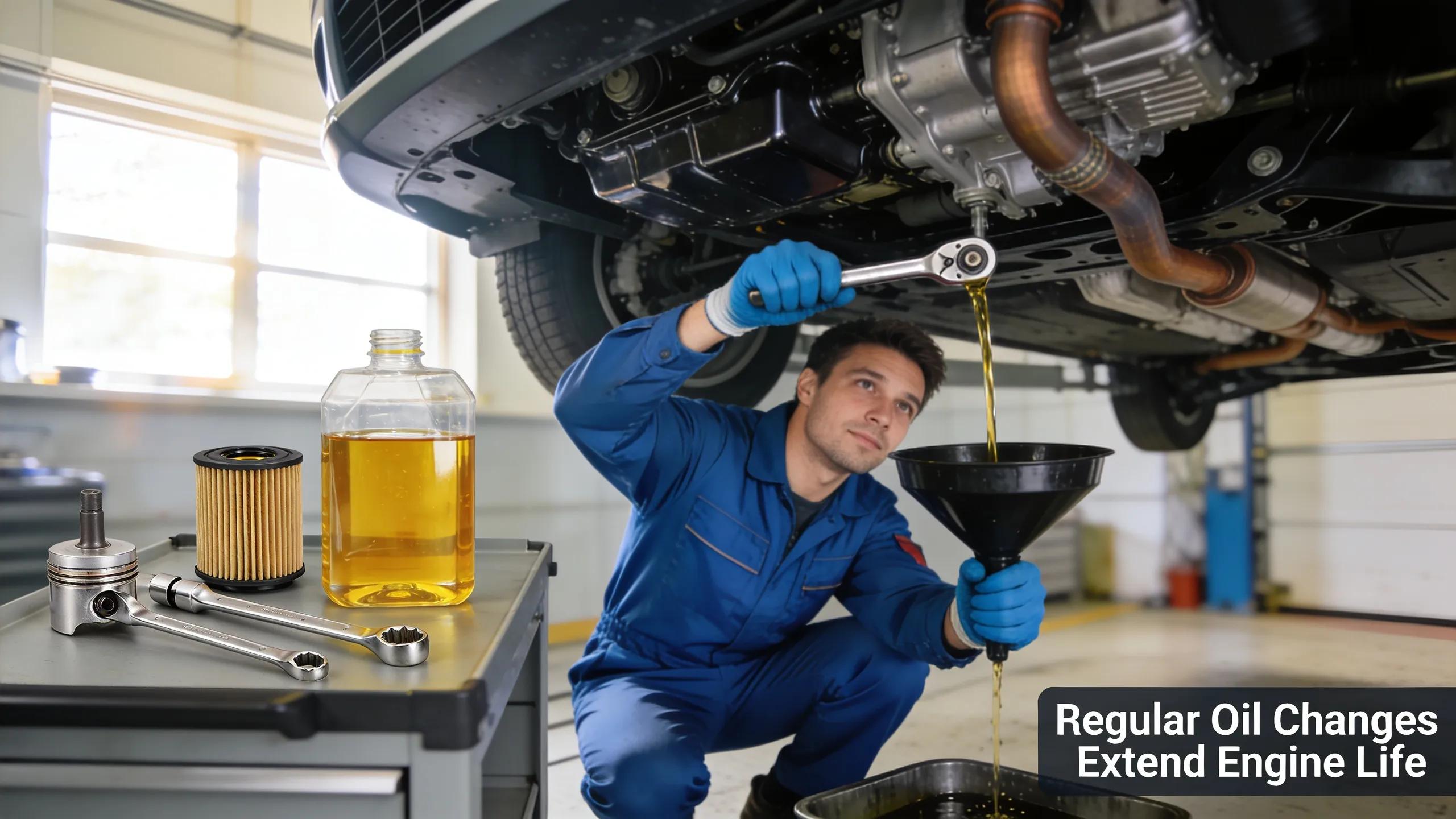
Proper maintenance is critical to extending engine life. Effective practices include:
- Regular Oil Changes: Essential for lubricating engine parts and removing contaminants.
- Fluid Monitoring: Regular checks of coolant, oil, and other essential fluids prevent major issues.
- Responding to Warning Lights: Ignoring these signals can lead to expensive repairs.
Implementing these practices contributes to improved vehicle performance and durability.
When and How to Book a Professional Engine Repair Service?
Knowing when to seek professional help can save time and money.
- Recognizing Warning Signs: Following indications of malfunctioning, such as odd noises or warning lights.
- Selecting a Service Provider: Choose a reliable mechanic with appropriate qualifications.
- Understanding the Booking Process: Schedule a comprehensive assessment for thorough diagnostics.
Taking these steps ensures your vehicle receives the necessary care and attention it deserves.
What Diagnostic Procedures Do Auto Repair Experts Perform?
Professional diagnostics involve several critical procedures to identify issues within your engine.
Symptom Documentation
Mechanics will initially document the symptoms reported by the vehicle owner to tailor the diagnostic process accurately.
Electronic Code Scanning
Modern vehicles are equipped with onboard diagnostics that can be crucial for identifying specific fault codes. Scanning these codes provides insight into potential trouble spots.
Visual Inspection
A thorough visual inspection allows mechanics to catch any physical issues, from fluid leaks to damaged components, contributing significantly to effective diagnosis.
How Does Early Engine Fault Detection Reduce Repair Costs?
Detecting engine faults early is integral to cost-effective maintenance.
- Preventing Major Repairs: Early intervention can stem the tide on minor issues before they develop into expensive repairs.
- Improved Fuel Efficiency: A well-maintained engine operates optimally, enhancing fuel efficiency.
- Extended Vehicle Lifespan: Regular maintenance and early detection contribute to prolonged vehicle health and longevity.
By prioritizing early detection, you not only mitigate costs but also ensure a safer and more reliable driving experience.