


Related Pages:
Understanding the Importance of Regular Auto Maintenance
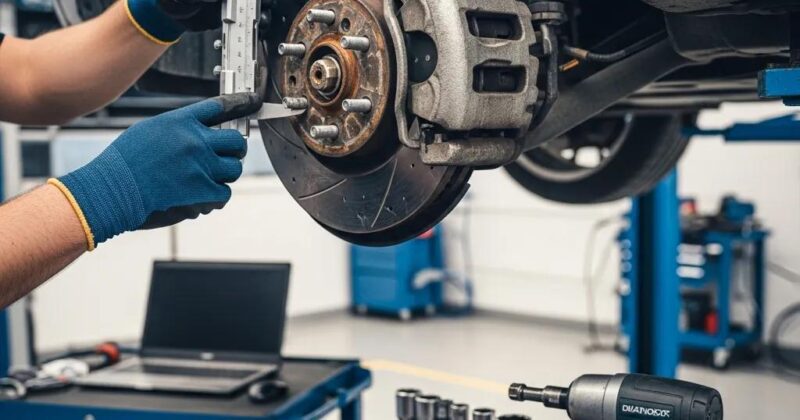
Regular auto maintenance is crucial for ensuring the longevity and reliability of your vehicle. Routine checks and services such as oil changes, tire rotations, and brake inspections can prevent major issues and costly repairs down the line.
For instance, neglecting to change your oil regularly can lead to engine wear and tear, while ignoring tire maintenance can result in decreased fuel efficiency and safety hazards. By investing in regular maintenance, vehicle owners can save money and enhance their driving experience.
Common Engine Problems and Their Solutions
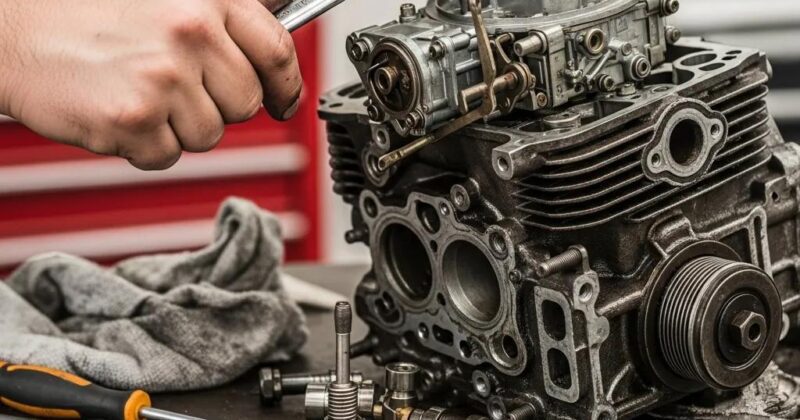
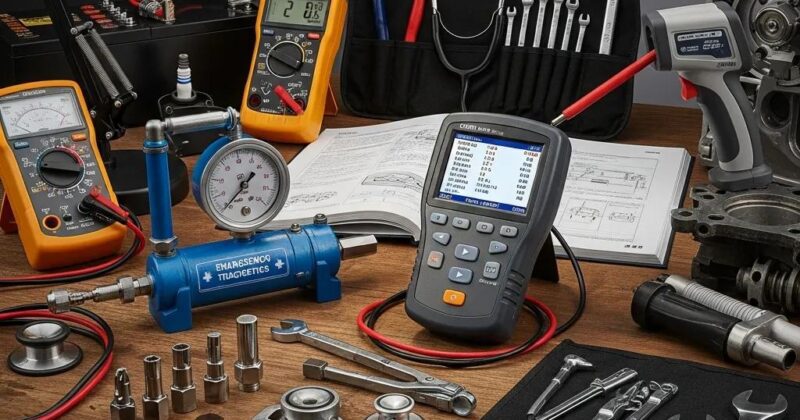
Engine problems can manifest in various ways, from strange noises to warning lights on the dashboard. Understanding these issues can help drivers identify when to seek professional help, ensuring their vehicle remains in optimal condition.
For example, a common issue like a check engine light could indicate anything from a loose gas cap to a more severe problem like a failing catalytic converter. Addressing these concerns promptly can prevent further damage and expensive repairs.
How to Choose the Right Auto Repair Service
Selecting the right auto repair service is essential for maintaining your vehicle's health. Factors to consider include the shop's reputation, range of services offered, and customer reviews, which can provide insight into the quality of service you can expect.
For instance, a shop that specializes in specific types of repairs, such as transmission work or engine diagnostics, may be more suited to your needs than a generalist shop. Additionally, local recommendations and online ratings can guide you to trustworthy options in your area.
Seasonal Vehicle Maintenance Tips for Philadelphia Drivers
Seasonal changes can significantly impact vehicle performance, making it essential for drivers in Philadelphia to adjust their maintenance routines accordingly. Preparing your vehicle for winter or summer conditions can enhance safety and efficiency.
For example, winter maintenance may involve checking antifreeze levels and ensuring your tires are suitable for snow and ice, while summer may require an air conditioning check and coolant level assessments. By adapting to seasonal needs, drivers can ensure their vehicles are ready for any weather challenges.