
How to Choose a Certified Collision Repair Shop and Understand Pricing
Selecting the right collision repair shop is crucial for ensuring your vehicle receives the best care after an accident. With numerous options available, it can be overwhelming to determine which shop will provide the quality service you need. This article will guide you through the essential factors to consider when choosing a collision repair shop, focusing on certified services and transparent pricing. By understanding these elements, you can make an informed decision that not only meets your repair needs but also ensures peace of mind. We will explore the importance of certified services, the significance of transparent pricing, and how to assess customer satisfaction, among other key considerations.
Select Certified Services
Certified services in collision repair are essential for ensuring that your vehicle is handled by qualified professionals. These certifications indicate that the technicians have undergone rigorous training and adhere to industry standards. When selecting a collision repair shop, look for certifications such as (Automotive Service Excellence) and (Inter-Industry Conference on Auto Collision Repair). These certifications not only reflect the skill level of the technicians but also assure you of the quality of service you can expect.
Importance of ASE-Certified Technicians
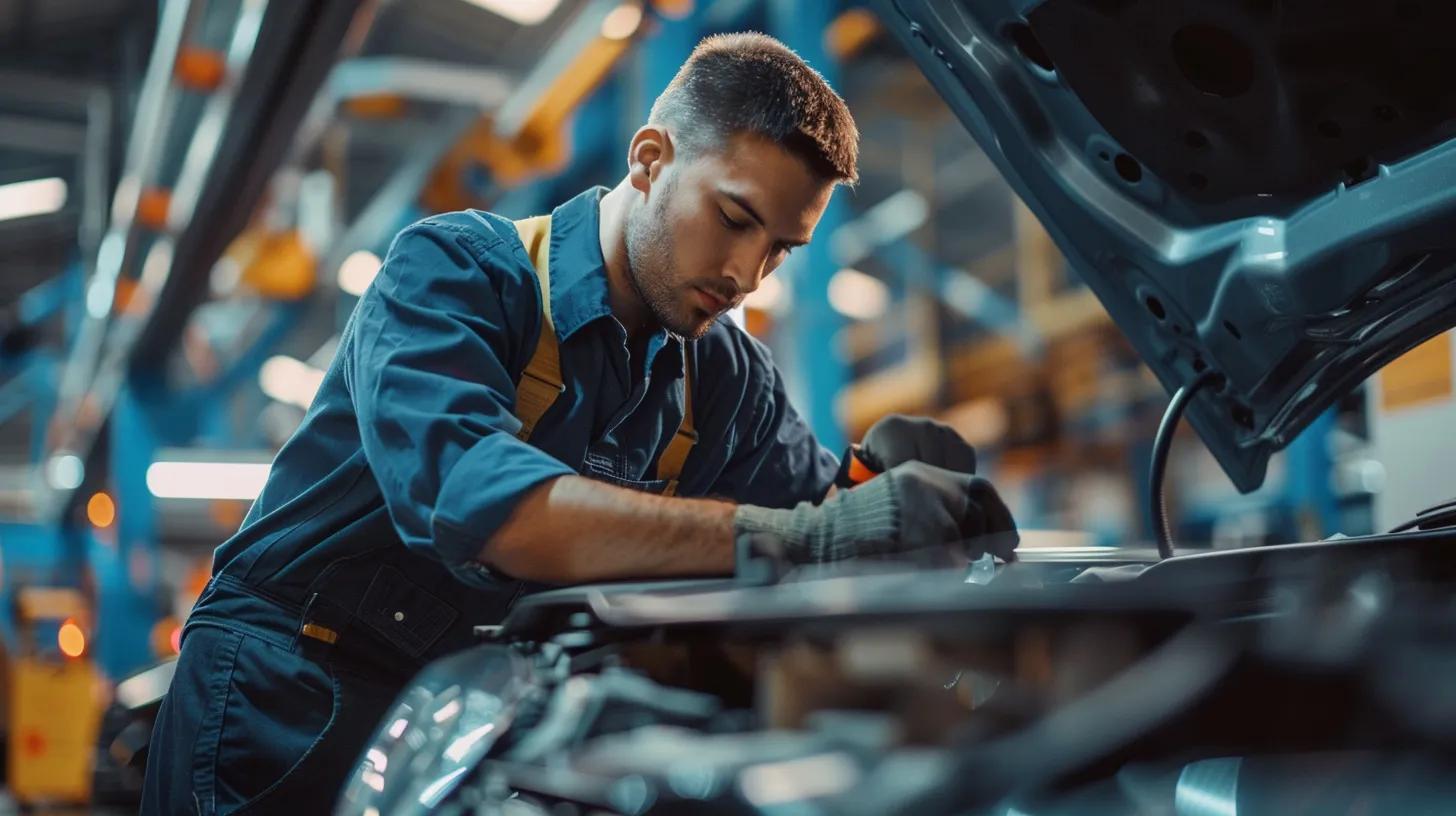
ASE-certified technicians have demonstrated their expertise through comprehensive testing and ongoing education. This certification ensures that they are up-to-date with the latest repair techniques and technologies, which is crucial for modern vehicles. Choosing a shop with ASE-certified technicians means you are entrusting your vehicle to professionals who are committed to maintaining high standards in their work.
The rigorous standards for ASE certification ensure that technicians are thoroughly evaluated and trained to meet industry benchmarks.
ASE Certification Standards for Auto Body Repair
ABSTRACT: This publication provides the evaluation policies, procedures, and standards to which an auto body technician training program must adhere to be granted certification by the National Institute for Automotive Service Excellence. The policies section has three parts: the automobile areas that may be certified and minimum requirements for certification; information about evaluation team leaders, on-site evaluation team members, task lists, tools and equipment, and automobile program evaluation; and discussion of policies on articulation agreements, recognition for certification, appeals and action for revocation. The procedures section provides an overview of the process for certification. The next section contains the 10 program standards in these areas: purpose, administration, learning resources, finances, student services, instruction, equipment, facilities, instructional staff, and cooperative agreements. The task list follows. Lists of assumptions and definitions are provided.
TITLE ASE Program Certification Standards for Collis;. on Repair & Refinish Technician Training Programs. INSTITUTION National Automotive Technicians Education …, 1993
Verification of Current Certifications
Before committing to a collision repair shop, verify that their certifications are current. This can typically be done by asking the shop directly or checking their website. A reputable shop will be transparent about their certifications and will provide proof upon request. Ensuring that the shop maintains its certifications is vital for receiving quality repairs.
Impact of Certifications on Service Quality
The presence of certifications often correlates with higher service quality. Certified shops are more likely to use (Original Equipment Manufacturer) parts and follow manufacturer guidelines during repairs. This adherence to standards not only enhances the quality of the repairs but also helps maintain your vehicle’s warranty.
Understand Transparent Pricing

Transparent pricing is a critical factor when selecting a collision repair shop. It involves providing clear, itemized estimates that outline the costs associated with the repair process. A shop that practices transparent pricing builds trust with its customers and helps avoid unexpected expenses.
Requesting Itemized Estimates
When seeking estimates, always request itemized quotes that detail the costs of parts, labor, and any additional fees. This practice allows you to understand exactly what you are paying for and helps you compare estimates from different shops effectively. A shop that provides detailed estimates demonstrates a commitment to transparency and customer service.
Understanding Diagnostic Fees
Many collision repair shops charge diagnostic fees to assess the damage to your vehicle. Understanding these fees upfront can help you avoid surprises later. A reputable shop will explain the diagnostic process and provide a clear breakdown of any associated costs. This transparency is essential for building a trusting relationship with your repair shop.
Importance of Warranty Coverage
A good collision repair shop should offer warranty coverage on their work. This warranty not only protects your investment but also reflects the shop’s confidence in the quality of their repairs. Be sure to inquire about the specifics of the warranty, including its duration and what it covers, before making your decision.
For those seeking high-quality collision repair services, 8 Cylinders Auto Repair offers certified technicians and transparent pricing. Their commitment to quality ensures that your vehicle is in capable hands.
Ensure Quality Repairs
Quality repairs are paramount when it comes to collision repair. Several factors contribute to the overall quality of the repairs your vehicle will receive.
Use of OEM Parts vs Aftermarket
Using OEM parts is often recommended for collision repairs, as these parts are designed specifically for your vehicle’s make and model. While aftermarket parts may be less expensive, they can sometimes compromise the quality and safety of the repairs. Discuss with your repair shop the types of parts they use and their sourcing practices to ensure you are getting the best quality.
Importance of Expert Craftsmanship
The skill level of the technicians performing the repairs plays a significant role in the quality of the outcome. Shops that invest in ongoing training for their technicians are more likely to deliver superior results. Look for shops that emphasize craftsmanship and have a reputation for high-quality work.
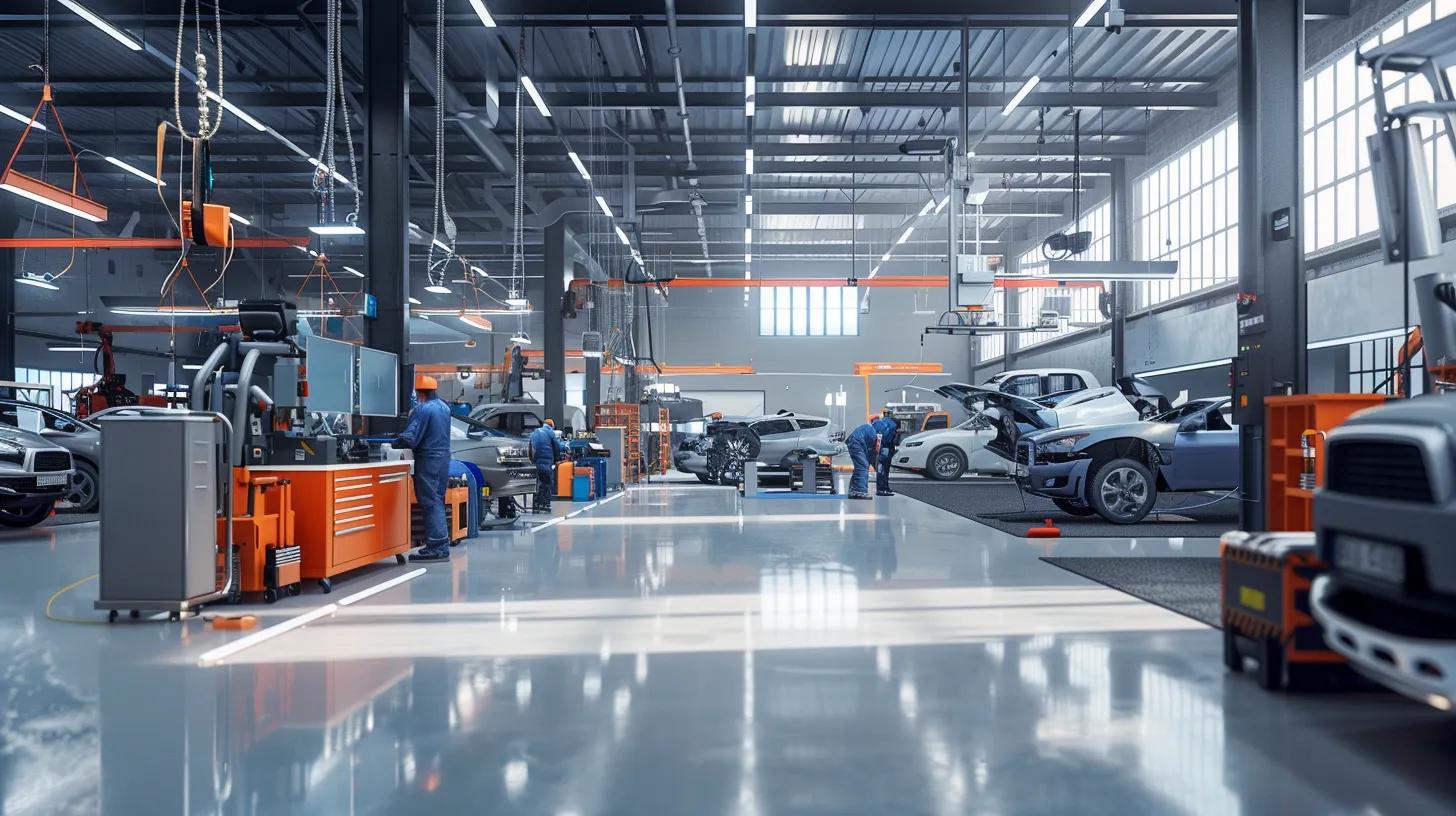
Modern Equipment in Service Bays
The use of modern equipment and technology in the repair process can significantly impact the quality of repairs. Shops that stay updated with the latest tools and techniques are better equipped to handle complex repairs efficiently. Inquire about the equipment used in the shop to gauge their commitment to quality.
Achieve Customer Satisfaction
Customer satisfaction is a vital indicator of a collision repair shop’s reliability. Understanding how to gauge this satisfaction can help you make a more informed choice.
Reading Customer Reviews
One of the best ways to assess customer satisfaction is by reading online reviews. Look for feedback on platforms like Google and Yelp, where customers share their experiences. Pay attention to recurring themes in the reviews, such as quality of service, communication, and overall satisfaction.
Importance of Warranties
A strong warranty policy is a good sign of a shop’s commitment to customer satisfaction. Warranties provide peace of mind, knowing that the shop stands behind its work. Be sure to ask about the warranty terms and what is covered.
Communication and Transparency
Effective communication is key to customer satisfaction. A shop that keeps you informed throughout the repair process and is transparent about costs and timelines is more likely to earn your trust. Look for shops that prioritize customer service and are willing to answer your questions.
What Certifications Should You Look for in a Collision Repair Shop?
When evaluating collision repair shops, certain certifications can indicate a higher level of service and expertise. Here are some key certifications to consider:
- ASE Certification: Indicates that technicians have met rigorous standards in automotive repair.
- I-CAR Certification: Ensures that technicians are trained in the latest repair techniques and technologies.
- OEM Certification: Shows that the shop is authorized to use specific manufacturer parts and follows their repair guidelines.
- BBB Accreditation: Reflects a commitment to resolving customer complaints and maintaining high ethical standards.
Why Certified Collision Repair Shops Ensure Quality Repairs
Certified collision repair shops are held to higher standards, which translates to better service for customers. These shops often have access to specialized training and resources that non-certified shops may lack. By choosing a certified shop, you can be confident that your vehicle is in capable hands.
How Certifications Impact Repair Warranty and Customer Assurance
Certifications not only enhance the quality of repairs but also impact warranty coverage. Many manufacturers require repairs to be performed by certified technicians to maintain warranty validity. This requirement underscores the importance of choosing a certified shop for your collision repairs.
What Are the Key Steps in the Collision Repair Process?
Understanding the collision repair process can help you navigate your repair experience more effectively. Here are the key steps involved:
- Initial Inspection: The shop assesses the damage and provides an estimate.
- Repair Process Steps: Technicians perform the necessary repairs, which may include bodywork, painting, and mechanical repairs.
- Final Inspection: The shop conducts a thorough inspection to ensure all repairs meet quality standards before returning the vehicle to the owner.
How Vehicle Damage Assessment Guides Repair Planning
A thorough vehicle damage assessment is crucial for effective repair planning. This assessment helps technicians identify all areas of damage, ensuring that no issues are overlooked. By understanding the full extent of the damage, the shop can create a comprehensive repair plan that addresses all necessary repairs.
Understanding Repair Techniques Used by Certified Technicians
Certified technicians employ various repair techniques to restore vehicles to their pre-accident condition. These techniques may include:
- Frame Straightening: Correcting structural damage to the vehicle’s frame.
- Paintless Dent Repair: Removing dents without damaging the paint.
- Panel Replacement: Replacing damaged panels with new ones to ensure a perfect fit.
How to Evaluate Collision Repair Costs and Pricing Transparency
Evaluating repair costs is essential for making an informed decision. Here are some tips for assessing pricing transparency:
- Understanding Diagnostic Fees: Be aware of any fees associated with diagnosing the damage.
- Requesting Itemized Quotes: Always ask for detailed estimates that break down costs.
- Comparing Multiple Estimates: Obtain quotes from several shops to ensure competitive pricing.
Factors Influencing Collision Repair Cost Estimates
Several factors can influence the cost of collision repairs, including:
- Labor Hours: The amount of time required to complete the repairs.
- Parts Selection: The choice between OEM and aftermarket parts can affect costs.
- Urgency of Repairs: Rush jobs may incur additional fees.
Understanding the economic principles behind auto repair pricing reveals that demand for these essential services is often inelastic, meaning price changes have a relatively small effect on the quantity demanded.
Auto Repair Pricing & Demand Elasticity
Estimated demand elasticities for auto repairs are notably inelastic, in the -.36 to -.40 rangel9 meaning higher prices will increase overall repair
Are Flat Rate Repair Time Manual Publishers Inviting Collusion, 2015
How Transparent Pricing Builds Trust with Customers
Transparent pricing is essential for building trust between customers and repair shops. When customers receive clear, upfront estimates, they are more likely to feel confident in the shop’s integrity. This trust can lead to repeat business and positive word-of-mouth referrals.
How to Assess Customer Service and Insurance Support at Repair Shops
Evaluating customer service and insurance support is crucial when selecting a collision repair shop. Consider the following:
- Transparent Pricing: Ensure the shop provides clear estimates and communicates any changes.
- Warranty Coverage: Inquire about the warranty on repairs to protect your investment.
- Insurance Claims Assistance: A shop that assists with insurance claims can simplify the repair process.
Why Personalized Consultations Improve Repair Outcomes
Personalized consultations can significantly enhance the repair experience. During these consultations, technicians can discuss the specifics of the damage, recommend appropriate repair options, and address any concerns you may have. This level of communication fosters trust and ensures that you are fully informed throughout the repair process.
Navigating Insurance Claims with Your Collision Repair Shop
Navigating insurance claims can be daunting, but a good collision repair shop can assist you through the process. Here are the key steps to follow:
- Initial Contact with the Shop: Inform the shop of your insurance provider and policy details.
- Documentation Preparation: Gather necessary documents, such as your insurance policy and accident report.
- Understanding the Claims Process: Work with the shop to understand how the claims process will unfold and what to expect.