
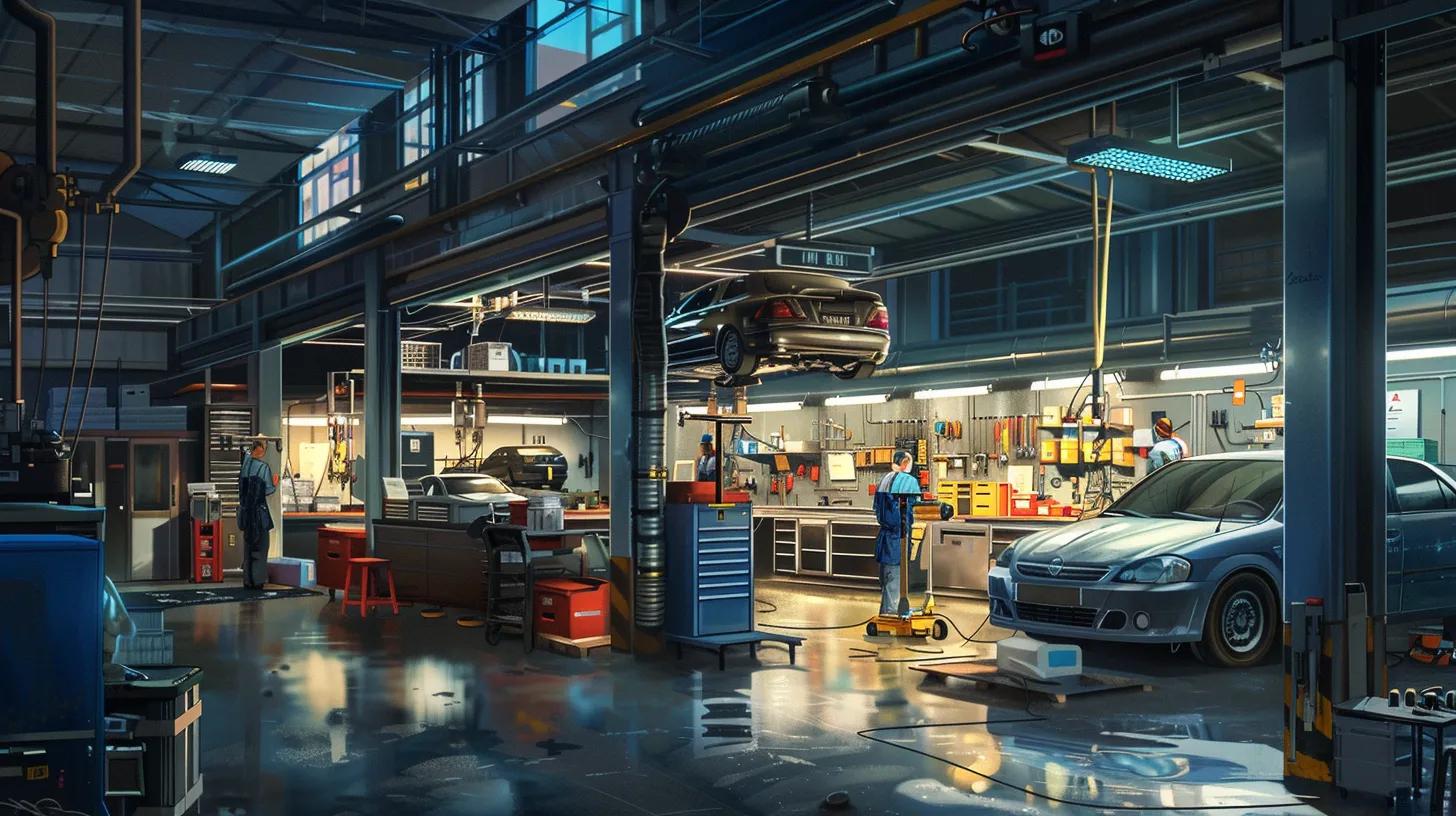
Collision Repair Process Explained: Steps & Customer Tips
The auto body collision repair process can seem daunting for many vehicle owners, especially after an accident. Understanding the steps involved not only helps in navigating the repair journey but also empowers customers to make informed decisions. This article will delve into the key stages of the collision repair process, providing insights into what to expect and how to prepare. By familiarizing yourself with these steps, you can ensure a smoother experience and better communication with your repair shop. We will cover essential topics such as the initial inspection, the repair process, quality control, and guidance for customers, including choosing a repair shop and understanding costs.
Key Steps in the Collision Repair Process
The collision repair process involves several critical steps that ensure a vehicle is restored to its pre-accident condition. Each stage plays a vital role in the overall quality and safety of the repair.
Initial Inspection
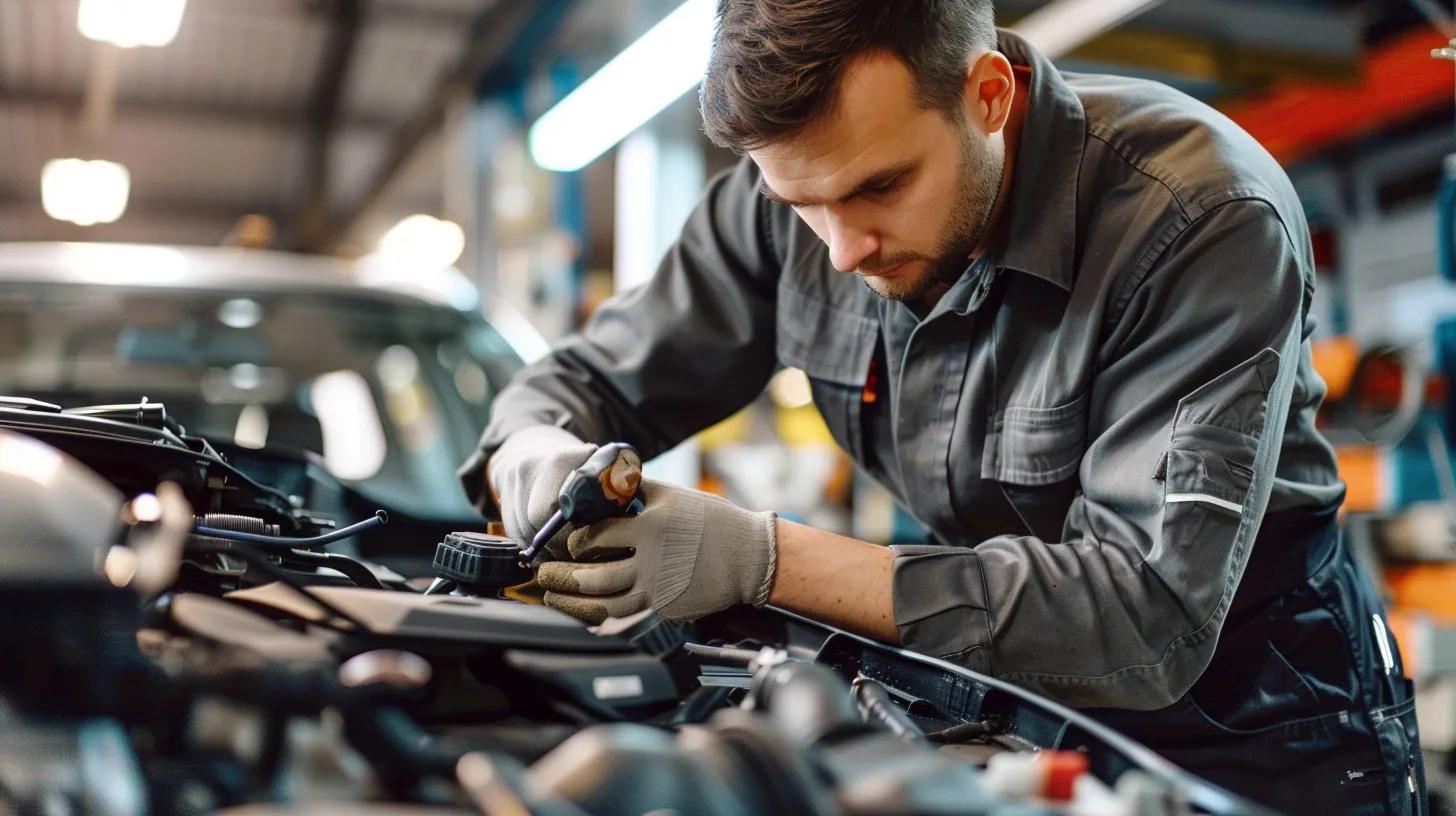
The initial inspection is the first step in the collision repair process, where technicians assess the visible damage to the vehicle. This assessment is crucial as it helps identify the necessary repairs and provides a foundation for the repair estimate. Technicians use various assessment techniques, including visual inspections and diagnostic tools, to evaluate the extent of the damage. This thorough evaluation ensures that all issues are addressed, leading to a more accurate repair process.
Free Estimate
Once the initial inspection is complete, the next step is providing a free estimate. This written estimate outlines the details of the repairs needed and the associated costs. It typically includes information on parts, labor, and any additional services required. A clear and detailed estimate helps customers understand the financial implications of the repairs and allows them to make informed decisions about proceeding with the work.
Repair Process
The repair process involves several stages, each critical to restoring the vehicle’s integrity. Initially, a detailed damage assessment is conducted, followed by structural repairs and frame straightening if necessary. This may include panel replacement and alignment to ensure everything fits correctly. Finally, the vehicle undergoes auto painting and finishing to restore its appearance. Each of these steps is essential for ensuring the vehicle is safe and visually appealing after repairs.
Understanding the comprehensive nature of these repair stages is crucial, as outlined by industry standards for collision repair technology.
Collision Repair Technology: Skill Standards & Training
The standards in this document are for Collision Repair Technology programs, and are designed to clearly state what the Collision Repair Technology student should know and be able to do upon completion of an advanced high school Collision Repair Technology program. The Content Standards for Collision Repair Technology are organized according to the technical areas defined by the National Automotive Technical Education Foundation (NATEF) standards;
Collision Repair Technology Skill Standards Grades 9-14., 2006
Quality Control
Quality control is a vital part of the collision repair process, ensuring that all repairs meet safety and quality standards. This final inspection involves checking the work done on the vehicle, verifying that all repairs were completed correctly, and ensuring that the vehicle is safe to drive. Quality control measures help prevent future issues and provide peace of mind to customers, knowing their vehicle has been thoroughly inspected before returning to the road.
Customer Communication

Effective customer communication throughout the repair process is essential. Keeping customers informed about the status of their vehicle and addressing any concerns they may have fosters trust and satisfaction. Repair shops should provide regular updates and be available to answer questions, ensuring that customers feel involved and informed every step of the way.
Guidance for Customers
Navigating the collision repair process can be overwhelming, but understanding key aspects can help customers make better decisions. Here are some essential tips for customers.
Choosing a Repair Shop
When selecting a repair shop, consider factors such as the shop’s reputation, customer reviews, and certifications. Local shops often have the advantage of personalized service and community trust. It’s also beneficial to ask for recommendations from friends or family who have had positive experiences.
Understanding Costs
Repair costs can vary significantly based on several factors, including the type of parts used (OEM vs. aftermarket) and labor rates. Understanding these factors can help customers anticipate expenses and make informed choices about their repairs.
Insurance Claims
Working with insurance for repairs can be complex. Customers should familiarize themselves with their coverage and the claims process. Many repair shops, including 8 Cylinders Auto Repair, can assist with insurance claims, making the process smoother for customers.
Financing Options
For larger repairs, financing options may be available. Customers should inquire about payment plans or financing solutions that can help manage costs without compromising on the quality of repairs.
Preparing for Your Appointment
Before heading to the repair shop, customers should gather any necessary documentation, such as maintenance records and insurance information. Discussing any specific concerns with the technician can also help ensure that all issues are addressed during the repair process.
What Are the Essential Steps in the Collision Repair Process?
The essential steps in the collision repair process include:
- Initial Inspection: Assessing visible damage and identifying necessary repairs.
- Free Estimate: Providing a detailed written estimate of repair costs.
- Repair Process: Conducting structural repairs, panel replacements, and painting.
- Quality Control: Final inspection to ensure safety and quality standards.
- Customer Communication: Keeping customers informed throughout the process.
These steps are crucial for ensuring that the vehicle is restored to its pre-accident condition and that customers are satisfied with the service provided.
How Is Vehicle Damage Assessed and Documented?
Vehicle damage is assessed through a combination of visual inspections and diagnostic tools. Technicians document the damage by taking photographs and creating detailed reports that outline the necessary repairs. This documentation is essential for both the repair process and for insurance claims, providing a clear record of the vehicle’s condition before and after repairs.
What Techniques Are Used in Frame Straightening?
Frame straightening techniques involve specialized equipment and methods to restore the vehicle’s frame to its original specifications. This process may include using hydraulic machines to apply precise pressure to bent frames, ensuring that the vehicle’s structural integrity is maintained. Proper frame straightening is critical for the safety and performance of the vehicle.
How Does Paintless Dent Repair Fit into Auto Body Repair?
Paintless dent repair (PDR) is a technique used to remove minor dents and dings without affecting the vehicle’s paint. This method is particularly effective for small, shallow dents and can often be completed quickly and at a lower cost than traditional repair methods. PDR is an excellent option for maintaining the vehicle’s original finish while restoring its appearance.
When Is Paintless Dent Repair Appropriate?
Paintless dent repair is appropriate for minor dents that have not compromised the paint surface. It is ideal for situations where the damage is small and the paint is intact, such as hail damage or door dings. Customers should consult with their repair shop to determine if PDR is a suitable option for their vehicle.
What Are the Benefits Compared to Traditional Dent Removal?
The benefits of paintless dent repair compared to traditional dent removal include:
- Cost-Effectiveness: PDR is often less expensive than traditional methods.
- Time Efficiency: Repairs can be completed more quickly, often in a matter of hours.
- Preservation of Original Paint: PDR maintains the vehicle’s original finish, which can be important for resale value.
These advantages make PDR a popular choice for minor dent repairs.
What Factors Influence Auto Body Repair Costs?
Several factors influence auto body repair costs, including:
- Type of Damage: The extent and type of damage directly affect repair costs.
- Parts Used: OEM parts are typically more expensive than aftermarket options.
- Labor Rates: Different shops may charge varying labor rates based on their expertise and location.
Understanding these factors can help customers anticipate repair costs and make informed decisions.
How Do Repair Steps Affect the Overall Cost Estimate?
The steps involved in the repair process can significantly impact the overall cost estimate. Each stage, from the initial inspection to quality control, requires time and resources, which contribute to the final price. A detailed estimate will outline these costs, helping customers understand where their money is going.
What Role Does Insurance Coverage Play in Repair Pricing?
Insurance coverage plays a crucial role in determining repair pricing. Depending on the policy, customers may have coverage for parts, labor, and additional services. Understanding the specifics of their insurance policy can help customers navigate the repair process more effectively and minimize out-of-pocket expenses.
How Can Customers Prepare for Their Auto Repair Consultation?
Customers can prepare for their auto repair consultation by gathering relevant documentation, such as insurance information and maintenance records. Being ready to discuss specific concerns or questions can also help ensure that the consultation is productive and that all issues are addressed.
What Information Should Be Provided During the Consultation?
During the consultation, customers should provide information about the accident, any visible damage, and their insurance details. This information helps technicians assess the situation accurately and provide a comprehensive estimate for repairs.
How Does 8 Cylinders Auto Repair Ensure Transparency and Quality?
8 Cylinders Auto Repair prioritizes transparency and quality in the collision repair process. By providing detailed estimates, regular updates, and thorough inspections, the shop ensures that customers are informed and confident in the repairs being performed. This commitment to quality helps build trust and satisfaction among customers.
Indeed, the emphasis on clear communication and high standards is paramount, as research highlights the significant impact of service quality and transparency on customer satisfaction.
Service Quality & Transparency: Driving Customer Satisfaction
High-quality services that satisfy customers improve a company’s capacity to compete in the market. It is crucial for the business professionals to encourage the practices that can enhance service quality and service transparency. High service quality and transparency can be attained by identifying service concerns and developing strategies for service performances, and customer satisfaction.
The impact of service quality and service transparency on customer satisfaction, M Alshurideh, 2022